


What truly sets boutique wineries apart in the vast world of wine? If you've ever wandered the rolling hills of Napa Valley, sipped a handcrafted Cabernet Sauvignon in Sonoma County, or sampled an artisanal blend in Paso Robles, you know that something about these small, passionate producers resonates long after your glass is empty. Dive in to discover why boutique wineries capture not just your palate—but your memory—and how their unique qualities go far beyond mass production.
Opening Inquiry: What Makes Boutique Wineries Stand Out in a World of Wine?
In an industry where big names often dominate store shelves, boutique wineries carve their own path, captivating enthusiasts with wines as distinctive as the hands that craft them. Unlike commercial giants, boutique wineries operate with a devotion to quality, intimacy, and personality—often pouring generations of knowledge and passion into limited runs. This strong sense of place, or terroir, is heightened by their small production and deep regional roots in renowned wine countries like Napa Valley, Paso Robles, and Sonoma County.
Their tasting rooms offer a personalized experience, often hosted by the winemakers themselves, setting the stage for an unforgettable journey through unique styles—be it a velvety pinot noir from Sonoma, a soulful Rhône blend from Paso Robles, or a classic Cabernet from Napa Valley. In this article, you’ll learn exactly how boutique wineries stand apart, how to navigate their world, and why many insurance experts recommend unique coverage for these precious estates.
What You'll Learn About Boutique Wineries
- How boutique wineries differentiate themselves from mass producers
- Regional influences from Napa Valley, Paso Robles, and Sonoma County
- Why small production yields unique wine experiences
- How to navigate wine tasting events at boutique wineries
- Tips for visiting boutique winery tasting rooms
1. Exclusive Appeal: Napa Valley’s Boutique Wineries
- Napa Valley’s influence on boutique wineries
- Limited-production wine benefits
- Authenticity and craftsmanship
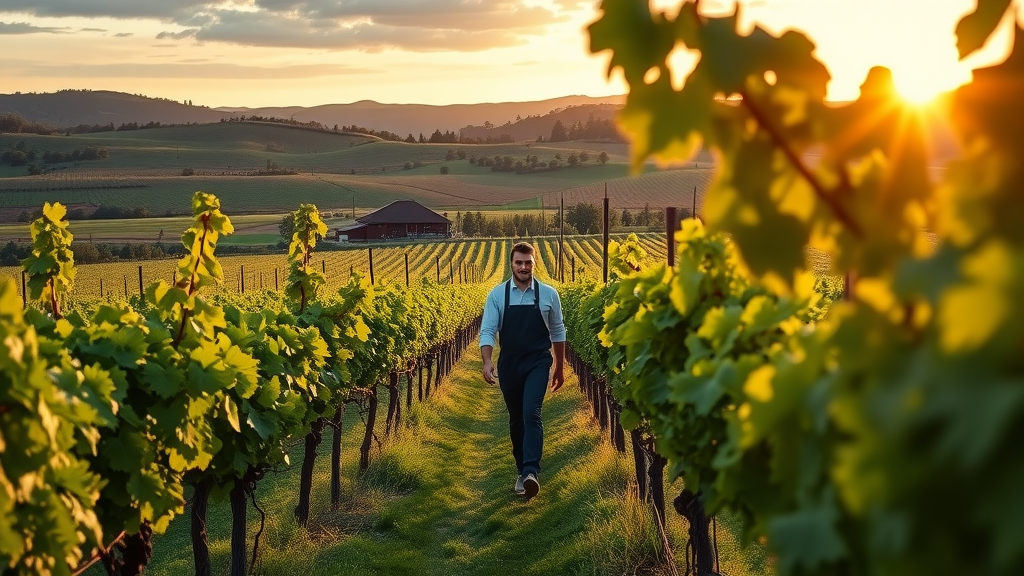
Napa Valley is more than just a global wine powerhouse—it's a mosaic of boutique wineries dedicated to small production and authentic, hand-crafted methods. These producers, such as Corison Winery in the heart of the valley and others in the famed district of Napa Valley, limit their runs to ensure every bottle tells a story of place, patience, and artistry. A signature benefit of this limited approach is the exclusive appeal boutique wineries offer their guests and club members: each release is a rare expression shaped by meticulous farming practices and seasonal nuances.
Visiting a Napa Valley boutique winery provides an inside look into the commitment required for authenticity and craftsmanship. Winemakers often greet guests personally, sharing the background of their cabernet sauvignon, sauvignon blanc, or even sparkling wine. For wine lovers wanting an immersive, memorable tasting experience, Napa’s boutique estates offer intimacy, direct connection, and often, a chance to join exclusive wine clubs reserved for their loyal fans.
2. Paso Robles: Unique Expressions in Wine Country
- Paso Robles boutique winery experience
- Innovative blends and small production methods
- Importance of regional terroir in boutique wineries
Paso Robles has fast become California’s epicenter for innovative blends and boundary-pushing winemaking practices. Its boutique wineries are lauded for their small-batch wines—often featuring Rhône varietals and unexpected combinations that express the area’s unique climate and soils. Estates like L'Aventure Winery focus on signature styles crafted in small runs, balancing tradition with modern technique.
The personal touch extends to the tasting room, where visitors experience friendly, approachable hospitality and animated conversations with the people behind the wine. The region’s terroir—shaped by rolling hills, warm days, and cool nights—infuses every bottle with an unmistakable Paso character. This meticulous attention to regional detail is best experienced through intimate tastings and curated pairings, often led by the winemakers themselves.
3. Sonoma County’s Boutique Winery Charm
- Signature flavors from Sonoma County
- Wine tasting in boutique wineries of Sonoma
- Personalized tasting room experiences
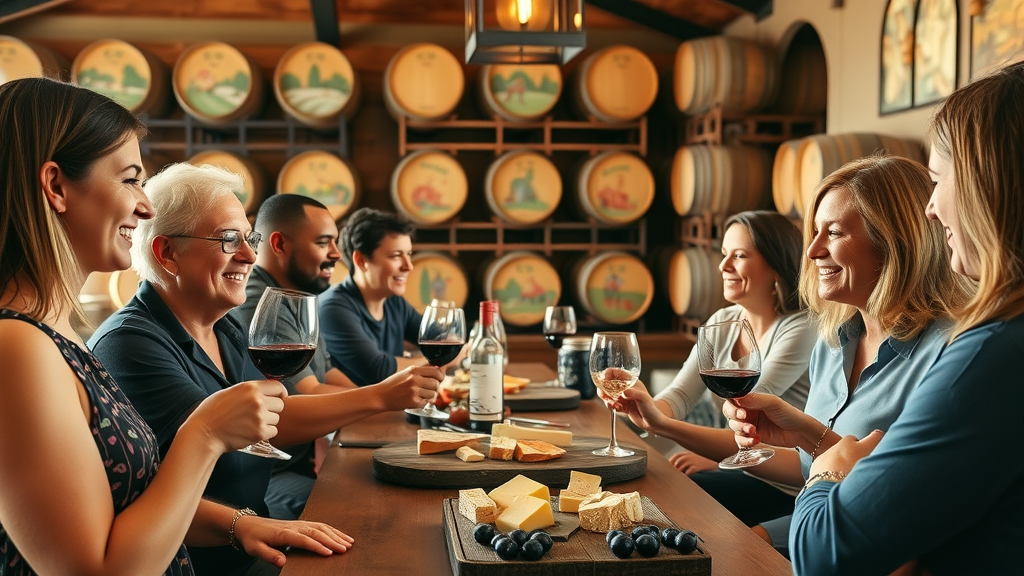
Sonoma County is celebrated for its diversity: from cool coastal zones ideal for pinot noir and chardonnay, to warmer pockets producing robust reds. Boutique wineries across Sonoma are focused on sustainable practices and distinct local character, where handcrafted wines reflect both family heritage and innovative farming. Littorai Wines and other small producers keep production below 5,000 cases, ensuring individualized attention from grape to glass.
Wine tasting in Sonoma’s boutique wineries is often a reserved, intimate affair, tailored to the guest’s palate and curiosity. The region’s welcoming atmosphere inside these tasting rooms fosters connections between visitors and winemakers. Guests leave with not only new favorites, but also insights into the layered flavors and farming practices that make Sonoma County wines exceptional.
4. The Art of Small Production in Boutique Wineries
- Definition of small production in a boutique winery
- Impact of artisan techniques on wine quality
- Why small runs equate to unforgettable wines
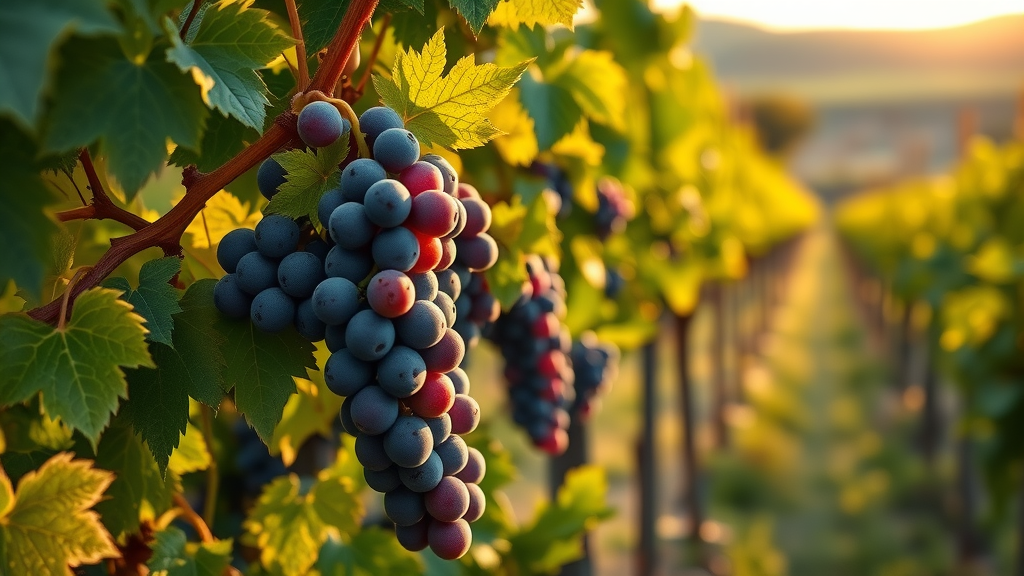
At the core of boutique wineries is an unwavering commitment to small production, often capped at under 10,000 cases per year—or even less. This focused scale allows for artisan techniques at every stage, from selective grape picking to hands-on blending and aging. Techniques like gentle basket pressing, wild yeast fermentation, and careful barrel management preserve the vineyard’s unique voice.
These artisanal techniques not only elevate wine quality but also create a signature style wine that is impossible to replicate at scale. The attention to detail in small runs means every vintage captures the nuances of the season, making each bottle—and each tasting room visit—truly unforgettable. It’s this devotion to craft that inspires loyalty, with guests frequently joining exclusive wine clubs to access these limited treasures.
5. Intimate Tasting Rooms: Where Wine Tasting Becomes Personal
- Boutique winery tasting room atmospheres
- One-on-one interactions with winemakers
- Reservable, curated wine tasting sessions
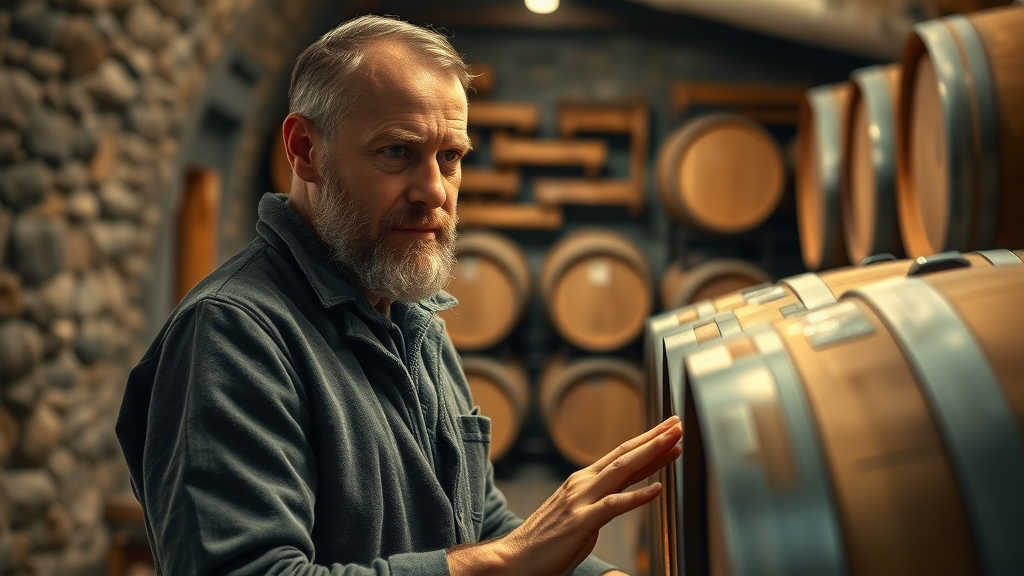
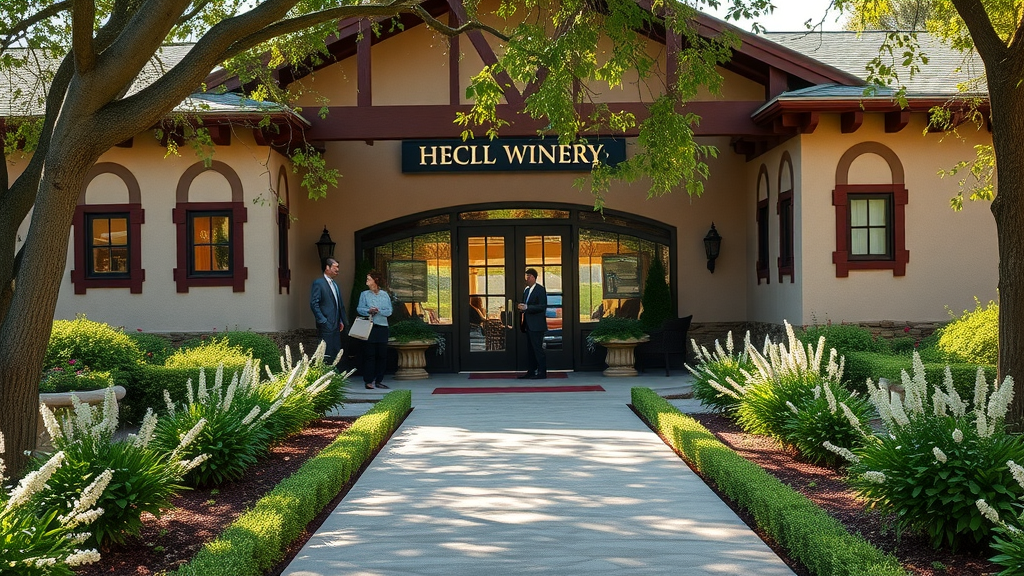
Unlike the bustling crowds of commercial estates, boutique winery tasting rooms offer a peaceful, welcoming atmosphere ideal for personal discovery. Visitors are often greeted by winemakers or family members eager to share their story and walk you through each pour. These exclusive, reservable tastings can include barrel samples, vertical flights, and pairings tailored to your preferences, ensuring a memorable time for seasoned collectors and newcomers alike.
This level of personalization extends to curated events and behind-the-scenes tours. During your winery visit, you may find yourself discussing farming practices, blending philosophies, or the intricacies of a prized pinot noir in a cozy corner of the tasting room. The result is not just a wine tasting, but an intimate, educational encounter—one that often leads to friendships, club memberships, and a deepened love for boutique wineries.
6. Wine Country: Scenic Destinations for Boutique Wineries
- Wine country travel tips
- Hidden gems among boutique wineries
- How landscape enhances the wine tasting experience
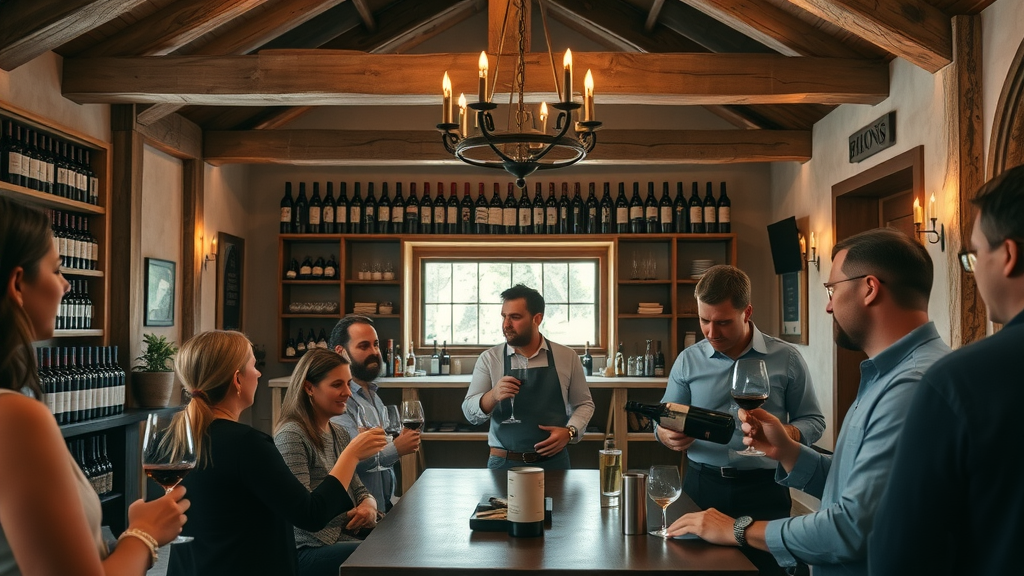
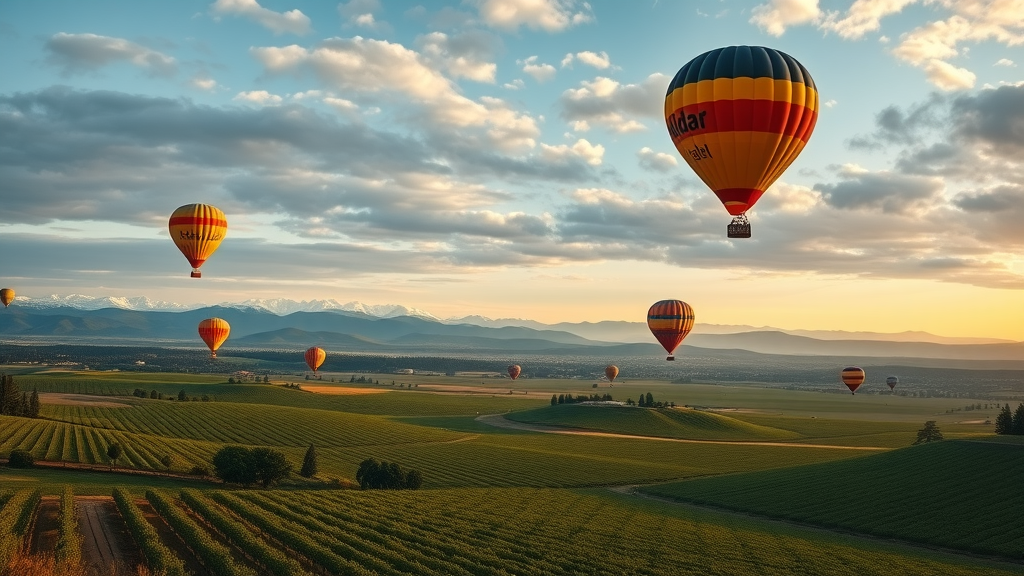
California’s celebrated wine country regions—Napa Valley, Sonoma County, and Paso Robles—are home to some of the most scenic boutique wineries in the world. These destinations offer more than exquisite wines; they provide an opportunity to immerse yourself in rolling vineyards, dramatic landscapes, and a culture rooted in agriculture and artistry.
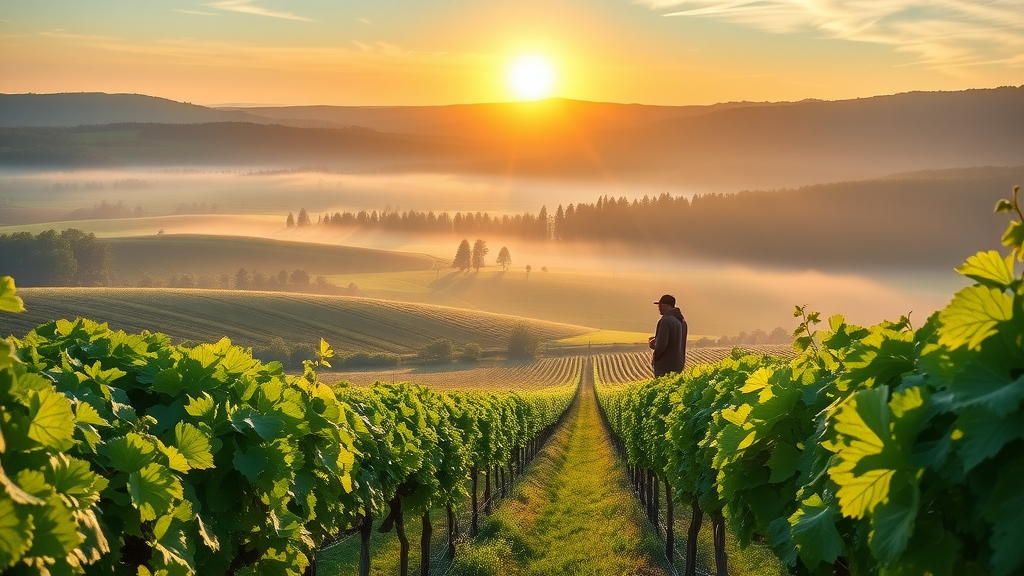
To maximize your visit, plan ahead and book a range of tastings—some of the best small production gems require reservations, especially those off the beaten path. In addition to famous estates, seek out hidden gems: estates in the Stags Leap District of Napa, family-run operations in eastern Paso Robles, or green-certified vineyards in Sonoma’s Russian River Valley. The region’s terrain, with its sun-dappled hills and early morning mists, not only shapes the character of each valley wine, but also creates a memorable backdrop for every sip.
7. Insider Insurance Tips for Boutique Wineries
- Key policies boutique wineries need
- How boutique winery insurance differs from larger estates
- Covering risk for small production and tasting rooms
Insurance is one of the most overlooked yet crucial aspects for boutique wineries. Unlike massive vineyards with commercial policies, small-scale producers need tailored coverage that reflects their unique risks—ranging from specialized equipment and limited production to intimate tasting rooms and one-of-a-kind inventory.
Key insurance policies include commercial property, liability (especially for tasting room events), business interruption, crop and stock protection, and even cyber liability for direct-to-consumer sales. Importantly, small production means a single event—such as a fire, theft, or crop loss—can have a disproportionate impact. Specialized insurance brokers recommend working with providers experienced in boutique winery operations to ensure adequate coverage for both the property and the precious wines aging in cellar.
"Boutique wineries give you not just a bottle, but a memory. Each sip tells the story of its maker and the land."
— Renowned Napa Valley vintner
Comparing Boutique Wineries Across California
| Region | Typical Production | Signature Style | Notable Boutique Winery |
|---|---|---|---|
| Napa Valley | <10,000 cases | Cabernet Sauvignon | Corison Winery |
| Sonoma County | <5,000 cases | Pinot Noir, Chardonnay | Littorai Wines |
| Paso Robles | <6,000 cases | Rhone Varietals | L'Aventure Winery |
Distinctive Qualities of Boutique Wineries
- Handcrafted methodology
- Direct-to-consumer wine releases
- Sustainable practices and innovation
Every boutique winery distinguishes itself through handcrafted methodology—from careful grape selection to small-lot fermentation and barrel aging. Unlike commercial brands, these producers foster personal relationships by offering direct-to-consumer releases, often reserved for wine club or club members, allowing for a deeper connection and exclusive access to their limited wines. Environmental stewardship is also key: sustainable farming practices, solar power, and responsible water use are hallmarks of many of the industry’s standouts, further enhancing quality and consumer appeal.
This commitment to innovation and personalized service is reflected not just in the tasting room, but in everything from marketing to wine club structures. As such, visitors experience an authenticity that mass-market wines rarely achieve—making every visit to a boutique winery a study in passionate craftsmanship and memorable hospitality.
Must-Try Boutique Wineries in Napa Valley, Sonoma County, and Paso Robles
- Top 3 boutique wineries in Napa Valley: Corison Winery, Staglin Family Vineyard, Schweiger Vineyards
- Boutique wineries to book in Sonoma County: Littorai Wines, Papapietro Perry Winery, MacRostie Winery & Vineyards
- Best small production estates in Paso Robles: L'Aventure Winery, Booker Vineyard, ONX Wines
People Also Ask: What is considered a boutique winery?
Understanding the Size and Scope of Boutique Wineries
- Typical production thresholds
- Ownership and family-run operations
- Focus on high-quality, small-lot releases
A boutique winery is generally defined by its small production volume—often less than 10,000 cases per year, with many producers falling under 5,000 or even 2,000. Most are family-owned or operated, prioritizing hands-on oversight from vineyard to bottle. Their focus is on high-quality, small-lot releases that reflect site expression and winemaking vision, rather than quantity. This structure enables a direct, transparent connection to their customers, and often includes exclusive wine club memberships and direct sales in intimate tasting rooms.
Unlike bigger brands, boutique wineries typically avoid large distribution channels, relying instead on local consumers and travelers seeking authenticity. Investment in sustainable farming practices and innovative techniques ensures that each bottle is both a product and a story—enhancing the visitor’s overall wine tasting experience.
People Also Ask: What winery did the Kardashians go to in Napa Valley?
Celebrity Influence and Boutique Wineries
- How high-profile visits boost boutique winery prestige
- Famous boutique wineries and their signature wines
Celebrities are drawn to the allure of Napa Valley boutique wineries for their privacy, exclusivity, and luxury experiences. The Kardashians have previously been spotted at estates like Del Dotto Vineyards and Domaine Carneros. High-profile visits like these often boost the perceived prestige of boutique wineries, attracting wine enthusiasts seeking the same personalized experience.
Many boutique estates capitalize on this attention by offering reserve tastings, behind-the-scenes tours, and Instagram-worthy settings, further distinguishing themselves from larger producers. These experiences spotlight the winery’s limited-run cabernet sauvignon or sparkling wine, reinforcing their elite reputation and deepening their connection with influential consumers.
People Also Ask: What is a boutique winery size?
Boutique Winery Production Volume
- Standard case production limits
- Why size matters for boutique status
A boutique winery's production is almost always capped at less than 10,000 cases per year, with the average true boutique falling in the 2,000 to 5,000 case range. This small scale ensures that the owners and winemakers can personally oversee every batch, focusing on quality and artisan technique. For context, many “commercial” vineyards produce over half a million cases annually.
The reason size matters is simple: producing fewer bottles allows for more exacting control, creative blending, and ultimately, unforgettable wines that can’t be replicated elsewhere. Small production volumes keep standards high and consumer interest piqued, since each release often sells out quickly—driving both exclusivity and demand for these precious bottles.
People Also Ask: What winery does Nancy Pelosi own?
Political Figure Connections to Boutique Wineries
- Wineries owned by notable individuals
- The allure for politicians and celebrities
While Nancy Pelosi is frequently linked to vineyards and wineries, it is her husband, Paul Pelosi, who is associated with the ownership of a Napa Valley vineyard. As with many influential figures, prominent politicians and celebrities are often drawn to boutique wineries for their privacy, prestige, and ability to oversee small, luxury production.
The allure for noted individuals stems from the chance to be hands-on in crafting limited production, signature style wines, and to offer a personalized, often philanthropic, tasting room or wine club experience. These wineries benefit from a higher profile, drawing visitors eager to sample wines whose stories stretch beyond the vineyard into the larger world of politics and celebrity culture.
Coming soon: Step-by-step guide to maximizing your boutique wine tasting adventure, from reservation to sip.
Boutique Wineries FAQs
-
How do boutique wineries differ from commercial wineries?
Boutique wineries focus on small-lot production, hands-on techniques, and personalized tasting experiences, while commercial wineries prioritize high-volume output and mass distribution. The latter tend to rely on automation, whereas boutique operations emphasize artistry and one-on-one hospitality. -
Can boutique wineries ship wine directly to consumers?
Yes, most boutique wineries offer direct-to-consumer shipping, often through membership or allocation lists. Laws vary by state, but clubs and mail order programs allow wine lovers nationwide to enjoy exclusive bottlings unavailable in stores. -
Are boutique wineries family-owned?
Many are—family ownership allows for generational expertise and a highly personal business model. Ownership by dedicated families and passionate individuals is a hallmark of this segment and contributes greatly to their authenticity. -
What makes a boutique winery visit special?
The intimate atmosphere, personal interaction with the makers, and the opportunity to taste truly limited, handcrafted wines creates an experience that lingers in memory long after the visit ends.
Key Takeaways: Why Boutique Wineries Are Unforgettable
Boutique wineries stand out for their small production, direct connection to the land, unrivaled hospitality, and memorable wines crafted by passionate artisans. Their intimate tasting rooms and tailored insurance needs ensure longevity—and unforgettable visits—for wine lovers everywhere.
Conclusion: Discovering the Magic of Boutique Wineries
Nothing compares to the sense of discovery at a boutique winery. Seek them out for an experience you—and your palate—won't soon forget.
Ready to Explore Boutique Wineries?
Reply "send draft copy of article for review" to take the next step in discovering unforgettable wines.
Exploring boutique wineries offers wine enthusiasts a unique and intimate experience, distinct from larger commercial establishments. For instance, the article “Washington’s Boutique Wineries: Small Producers, Big Impact” highlights how these small-scale producers in Washington State focus on quality over quantity, emphasizing hands-on winemaking and a deep connection to their craft. (vescontetravel.com) Similarly, “Exploring Boutique Wineries in Texas Hill Country” showcases family-owned wineries that provide visitors with the opportunity to taste local flavors, capturing the essence of the region through limited production and personalized experiences. (lcrsatx.com) If you’re serious about discovering unique wines and the stories behind them, these resources will guide you to some of the most memorable boutique wineries in the United States.

Write A Comment