


Did you know that more than 15% of all private wine cellar collections experience a major, preventable loss every decade? For passionate collectors and savvy investors, a single mistake in managing your wine cellar can spell disaster—turning prized bottles into spoiled relics. Whether you see your collection as an art wine showcase, a personal indulgence, or a legacy asset, understanding the risks and learning to avoid common wine cellar pitfalls is non-negotiable. In this comprehensive guide, you’ll uncover the crucial storage solutions, best practices, insurance strategies, and modern innovations to ensure your luxury wine collection thrives for generations.
Startling Facts About Wine Cellar Failures (And Why It Matters)
The allure of a wine cellar lies not only in its elegance but in the promise of preserving extraordinary value—both in taste and investment. Yet, many collectors are unaware that the wrong wine racks, poorly controlled climate, or insufficient insurance can rapidly turn their wine collection into a cautionary tale. Recent industry data reveals that over one in seven private wine cellars suffer major losses, ranging from cork shrinkage to full bottle spoilage, due to easily preventable errors. This underscores a core reality: proactive management and smart insurance coverage are the keys to safeguarding your assets.
"Over 15% of private wine cellar collections suffer at least one major loss due to preventable errors each decade."
— Association of Fine Wine Collectors

For anyone purchasing, building, or upgrading a custom wine cellar, this means every choice—down to the type of wine wall or climate control—matters immensely. Failure to address details like proper cellar cooling, robust wine storage solutions, or specialized insurance for high-value wine cellars can result in irreversible losses. In the world of fine and luxury wine, every mistake is costly, making this article a must-read for enthusiasts and experts alike.
What You'll Learn About Wine Cellar Management
- The essential principles of wine cellar storage
- How choosing the wrong wine racks damages your bottles
- Why climate control is non-negotiable
- Common wine cellar design mistakes
- Insurance tips for protecting your collection
- Industry insights on custom wine cellar investments
Understanding the Wine Cellar: Purpose and Fundamentals
What is the Point of a Wine Cellar?
A wine cellar is far more than a place to stash your bottles — it is a dedicated space meticulously engineered to store wine at the optimal temperature and humidity for aging. The primary purpose of a wine cellar is to serve as both a functional and aesthetic focal point in your home, restaurant, or hospitality venue, doubling as a secure repository that enhances your collection’s flavor profile and financial value. With the right wine racks and custom wine cellar design, bottles are protected against damaging UV light, vibration, and environmental fluctuations. In fact, for many wine lovers, the wine cellar evolves from a mere storage solution to a showcase of wine as art—a place where each wine bottle tells its unique story.
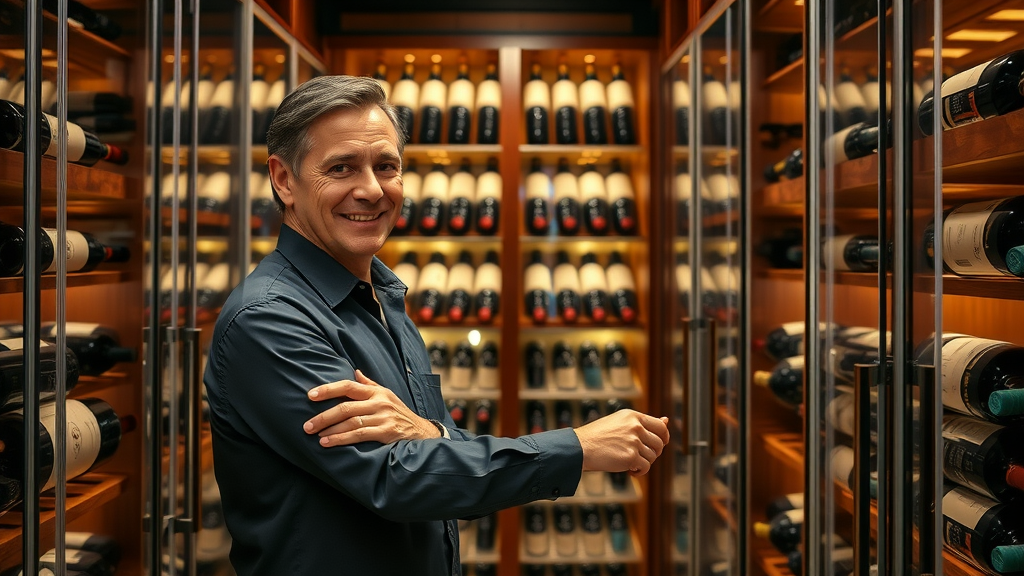
Custom wine cellars are tailored to suit unique needs, providing not just preservation but also an opportunity to display fine or rare bottles. The process of storing wine in these ideal spaces can take your wine collection from functional to fabulous, all while serving the practical goal of protecting your asset. For anyone considering a luxury wine addition or a serious upgrade, understanding this dual purpose redefines what the ideal wine cellar can achieve.
Wine Cellar Terminology: What is a Wine Cellar Called?
While “wine cellar” is by far the most recognized term, you’ll also encounter a variety of other names depending on function and form. In some contexts, a small home-based area for wine storage is called a wine room, particularly if it features glass walls or acts as a wine wall within a kitchen or dining space. Specialized environments for personalized wine storage, such as custom wine cellars or luxury wine rooms, signal a higher level of investment, craftsmanship, and often, climate technology. Each of these serves the core purpose: to create an ideal space where wine is elevated, protected, and enjoyed.
In the trade, other terms include vinothèque (especially in Europe), wine vault, or, in commercial settings, a wine storage solution center. No matter the name, the essentials remain: top-notch wine racks, advanced cooling systems, and attention to critical details set these spaces apart as true treasures for any collector.
Critical Wine Cellar Mistakes to Avoid
Mistake #1: Neglecting Wine Cellar Cooling and Humidity Control

Of all the threats to your wine collection, poor temperature and humidity control still top the list. Cellar cooling is not optional—without a properly regulated environment, corks dry out, wine oxidizes, and irreversible spoilage can occur. Modern wine cellar cooling systems are advanced, yet many homeowners underestimate the need for redundancy and regular maintenance. Dual-zone refrigeration or split cooling solutions, when professionally installed, ensure consistent temperatures between 55°F - 58°F and maintain humidity levels of 60-70%, creating the perfect conditions for long-term aging and flavor development.
Ignoring these technical requirements can lead to condensation on the bottles or racks—evidence of imbalance. Condensation not only breeds mold but also creates unsightly labels and permanent stains on artisan wood racks. It’s not enough to simply install a cooling system; you must monitor, calibrate, and, if necessary, upgrade equipment as your collection grows. Ultimately, investing in a smart, scalable wine cellar cooling and refrigeration system will pay for itself by preventing devastation to your prized bottles.
Mistake #2: Inadequate Wine Rack and Storage Solutions
Choosing the wrong wine racks and storage solutions can be devastating. Not all racks are created equal—subpar materials or incorrect sizing can physically damage labels, compromise cork integrity, or even cause bottles to roll and break. Custom wine racks—crafted to fit bottle dimensions, preferred orientation (horizontal is best), and collection size—promise safer, longer preservation, and make your wine storage solution both a practical and aesthetic investment. Trends in wine wall design or glass-fronted cellars may dazzle visually, but functionality should never be sacrificed for style.
For larger or more valuable collections, modular or adjustable storage solutions offer flexibility as your inventory expands. The goal is to ensure every bottle, whether a luxury wine or daily drinker, is secure, visible, and accessible. Consulting wine storage specialists for your wine racks or bespoke cellar design ensures that critical technical and artistic details are not overlooked—safeguarding both your collection and its future value.
Mistake #3: Overlooking Security and Insurance for Wine Cellars
A catastrophic event—flood, fire, theft, equipment failure—can wipe out decades of collecting in minutes. Yet, many enthusiasts do not insure their wine cellars at full value, or fail to update coverage as their collections grow. Modern insurance for a wine cellar should include provisions for climate system failure, accidental breakage, and even misplacement during appraisals or inventory.
Beyond simple coverage, it’s essential to regularly review your policy and inventory, consulting a wine storage insurance professional who understands the nuances of luxury wine, storage solutions, and true replacement value. Robust insurance transforms a vulnerable asset into a well-protected investment, freeing you to enjoy the collection with confidence.
Wine Cellar Innovations: Custom and Luxury Solutions
Benefits of Custom Wine Cellars and Display Walls
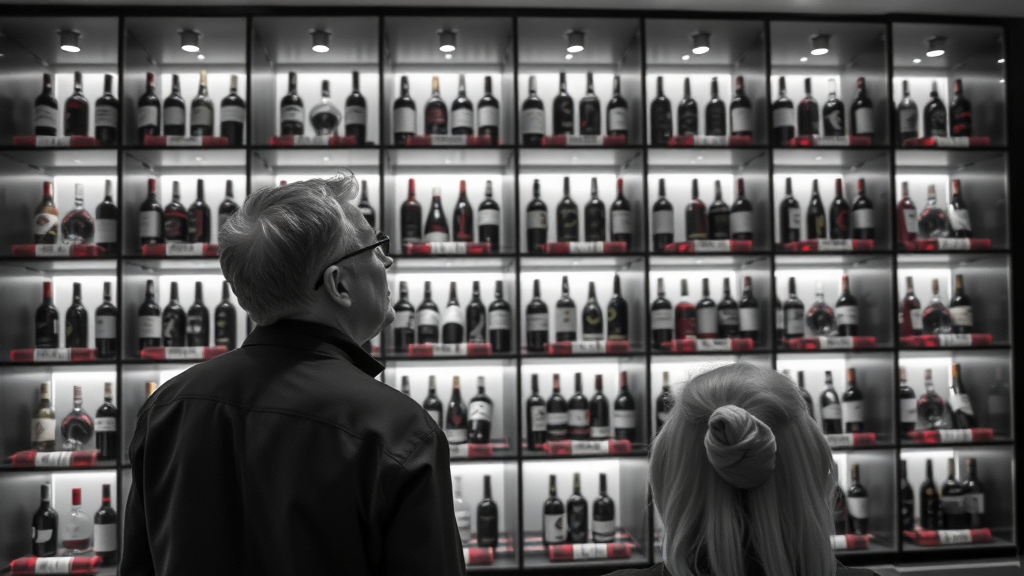
Custom wine cellars and illuminated wine display walls have redefined the way collectors store wine. These innovations blend craftsmanship with cutting-edge climate control, transforming the wine cellar into a focal point—a true marriage of utility and art wine inspiration. Today’s luxury wine spaces feature glass doors, integrated LED lighting, and seamless racks to showcase prized bottles while maintaining optimal preservation.
For investors and enthusiasts, these advanced solutions offer threefold protection: consistent climate, enhanced security, and a showcase that commands attention. Wine walls, for example, leverage both vertical and horizontal space, turning wine as art into daily enjoyment. Savvy collectors choose personalized wine storage for maximum protection and the pride of owning a cellar tailored to their tastes and needs, adding measurable value well beyond the wine itself.
Wine Cellar Climate Control: Cooling, Refrigeration & Energy Tips
Wine Cellar Cooling Best Practices
Optimizing wine cellar cooling and wine refrigeration is not just about setting a thermostat. The best practices begin with selecting an efficient cooling system engineered for your cellar’s size and insulation. Options vary from traditional through-the-wall units for small wine rooms to state-of-the-art ducted or split refrigeration systems for larger, luxury wine cellars. Energy efficiency also matters; modern systems integrate smart sensors and remote monitoring so that temperature and humidity levels can be reviewed in real time and adjusted proactively. This protects the integrity of the wine and manages operating costs—a vital consideration for large or commercial collectors.
Periodic evaluation of your cooling system ensures reliability. Combining consistent checks with high-quality insulation and vapor barriers will minimize fluctuations that cause wine to age prematurely or develop off-flavors. Remember, the foundational goal of every wine storage solution is maximum preservation and enjoyment—get this right, and your collection will last decades.
| Cooling System Type | Traditional Units | Modern Ducted/Split Systems |
|---|---|---|
| Installation Cost | Lower (approx. $1,500–$3,000) | Higher (approx. $4,000–$12,000) |
| Energy Efficiency | Moderate | High |
| Noise Level | Moderate to High | Low |
| Reliability | 5–8 years typical lifespan | 8–15 years typical lifespan |
| Best For | Small cellars/wine rooms | Large custom and luxury wine cellars |
What is the 20 Minute Wine Rule?
The 20 Minute Wine Rule is a handy guideline for serving wine at its best: remove white wines from cooling about 20 minutes before pouring, and put reds in the fridge for 20 minutes before serving. This ensures both reach their optimal temperature, preventing disappointment due to overly warm reds or too-chilled whites. For collectors, this rule isn’t simply about immediate enjoyment—it reflects a broader focus on temperature discipline, which extends from the wine rack or wall storage right to the glass. Consistently applying such rules enhances the immediate experience and underlines the importance of precision in your long-term wine storage solutions.
Adhering to the 20 Minute Wine Rule results in wines that express their true flavors, further justifying the care and investment you put into wine cellar management. After all, a properly designed cellar cooling system maintains ideal storage, but serving is its own art, deserving equal attention.
Maintenance and Monitoring: Keeping Your Wine Cellar Safe
- Regular temperature and humidity checks
- Professional inspection of wine racks and cellar cooling equipment
- Routine review of wine storage insurance coverage
- Audit of inventory and appraisals for high-value bottles
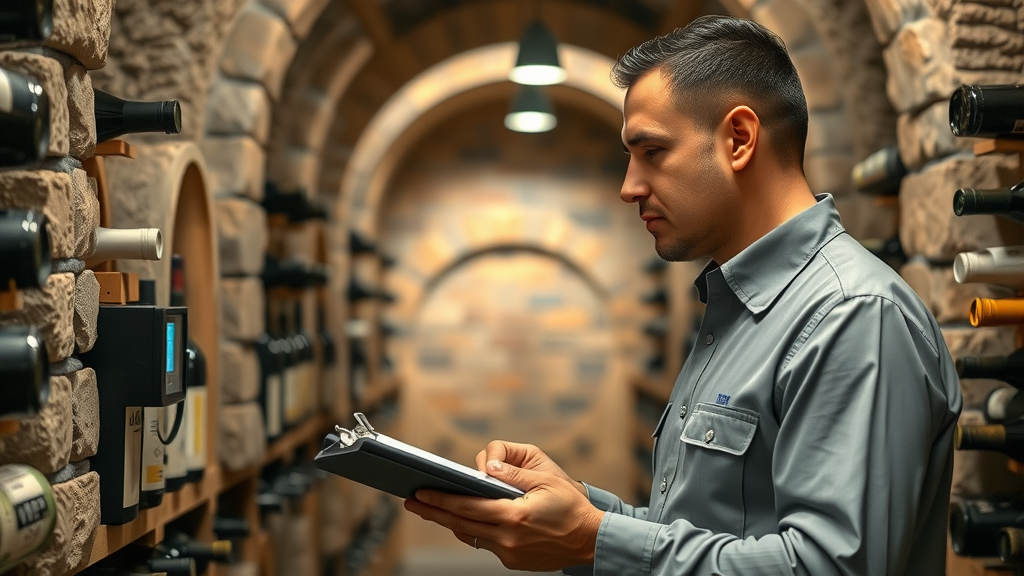
Preserving your wine collection requires more than simply setting up a room—it’s an ongoing, attentive process. Conducting weekly temperature and humidity checks ensures your wine cellar cooling system is operating within the required ranges. Professional inspections catch minor issues in wine racks or storage hardware before they escalate into costly disasters. Just as importantly, regular audits of your insurance coverage and wine inventory protect you from financial loss—especially as your collection grows in value. These practices are every bit as essential as the racks, cooling system, or artful design, and are the foundation of successful wine cellar management.
People Also Ask About Wine Cellars
Is wine drinkable after 20 years?

Many wines can age gracefully for 20 years or more—if they are stored in a well-maintained wine cellar with consistent temperature and humidity. However, not all bottles are designed for such longevity. Red wines with robust tannin structures often improve, while most whites are best enjoyed younger. The condition of the cork, the bottle’s provenance, and the effectiveness of your cellar cooling system will determine whether an aged wine is still enjoyable or has turned to vinegar. Expert collectors use regular inspection and appraisals to identify which members of their collection are at their peak—or are best opened soon.
Top Tips: Wine Cellar Storage Solutions to Protect Your Collection
- Invest in advanced wine refrigeration and humidity controls
- Use quality wine racks tailored for your bottles
- Consult with a wine storage insurance specialist
- Regular professional cellar inspections
"Investing in a proper wine cellar is not just about luxury—it's about preserving both enjoyment and value."
— Industry Insurance Advisor
Every step you take to enhance your wine storage solution adds not only to your enjoyment, but to the bottom-line value of your collection. Seek out products and services from reputable, specialized providers who understand the complexities of wine cellar cooling, wine racks, and custom wine cellars for private and commercial spaces alike.
Key Takeaways on Wine Cellar Management
- Poor storage can ruin even top-tier wine collections
- Temperature and humidity control is paramount
- Customized wine cellars add both aesthetic value and protection
- Insurance is a crucial safeguard for serious collectors
Frequently Asked Questions: Wine Cellar Best Practices
-
How do I start a home wine cellar?
Begin by selecting a cool, humid location as your ideal space, investing in insulated walls and a dedicated wine cellar cooling system. Choose quality wine racks and create an inventory list to start organizing your collection from day one. -
What insurance coverage do I need for my wine cellar?
Look for specialized insurance covering theft, damage from temperature fluctuations, water, and fire. Work with providers familiar with wine collections to ensure accurate valuation and protection. -
What types of wine racks are best for long-term storage?
Custom or modular wine racks made from non-aromatic, sturdy materials like mahogany or metal are ideal—ensuring bottles are stored horizontally and secure from movement or vibration. -
What is ideal humidity for a wine cellar?
Optimal humidity levels range from 60% to 70%, which prevents corks from drying out or growing mold, safeguarding the long-term value and flavor of your wine.
Conclusion: Secure Your Collection With Smart Wine Cellar Decisions
Protecting your wine cellar means investing in robust storage solutions, advanced climate control, and insurance tailored to your unique needs. Make every decision count—and enjoy peace of mind with each bottle you collect.
Ready to Protect Your Investment? Contact Us
Reply "send draft copy of article for review" to receive personalized recommendations and discover our full range of wine cellar products and services.
To further enhance your understanding of wine cellar management and avoid common pitfalls, consider exploring the following resources:
-
“How (and why) to store your wine properly” (ft.com)
-
“Top 5 Wine Storage Mistakes” (vintagecellars.com)
These articles provide in-depth insights into proper wine storage techniques and common mistakes to avoid, helping you preserve the quality and value of your wine collection.




Write A Comment