


Did you know? More than 68% of global wine is made using stainless steel tanks, yet a single missed step in the wine making process can spoil an entire vintage. Whether you’re a hobbyist or a professional, understanding each phase—from grape selection to bottling—can make the difference between an average bottle and an award-winning one. This comprehensive guide breaks down the science, artistry, and best practices behind wine making, ensuring every bottle you produce is protected and exceptional.
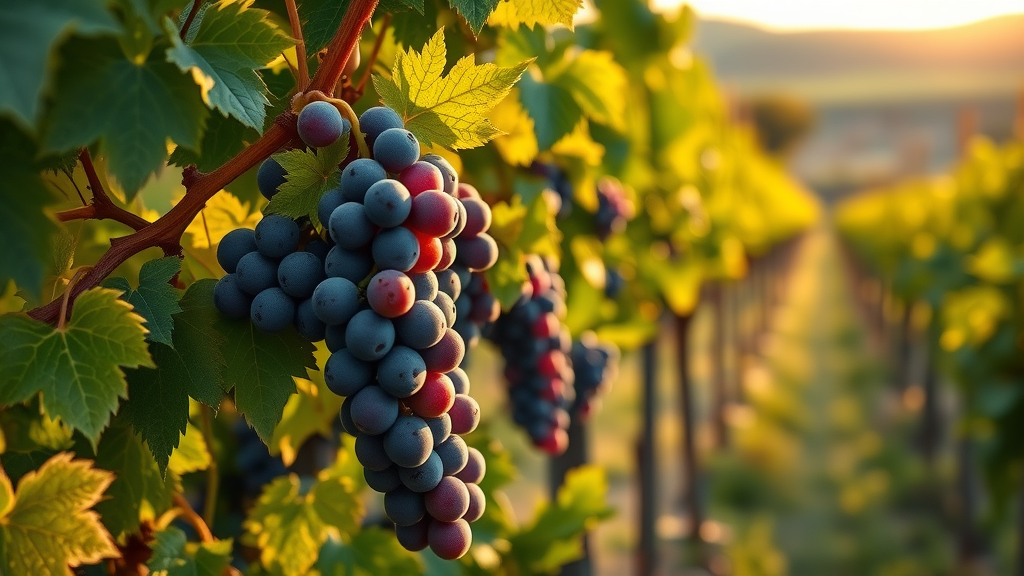
Unveiling the Wine Making Process: A Statistical Perspective
The wine making process is a blend of ancient tradition and modern science. Statistically, over 7.8 million hectares of land worldwide are dedicated to growing wine grapes, accounting for nearly 283 million hectoliters of wine produced every year. Notably, red wine commands 55% of global market share, reflecting evolving trends and consumer tastes. What’s more, recent data reveals that winemakers who monitor sugar content and fermentation temperatures produce 23% fewer off-flavored batches, emphasizing the critical role of technology in today’s wine industry.
Yet, it’s not just about quantity. Studies show that even small variations in the sugar level or the type of grape can change a wine’s profile from sharp and acidic to smooth and aromatic. By applying a statistical approach—tracking fermentation rates, monitoring wild yeast strains, and maintaining precise alcohol levels—producers can maximize consistency and minimize costly mistakes. For everyone from artisan crafters to industrial operations, these insights are a cornerstone in making wine of outstanding quality.
Surprising Facts about the Wine Making Process
Did you know some of the best known wines, like pinot noir and cabernet sauvignon, are crafted through closely-guarded fermentation secrets? Modern winemakers choose between wild yeast—which can yield expressive but risky results—and controlled commercial strains to manage dead yeast and carbon dioxide release. Bonus fact: Some white wines get their clarity from the addition of egg whites during the clarification stage, a method dating back centuries. Meanwhile, innovative wineries increasingly rely on mechanical harvesters and digital sensors to optimize timing and quality for each grape bunch picked.
What You’ll Learn in This Guide to the Wine Making Process
Mastering the wine making process is about more than following steps. Our guide will teach you how to:
- Pick the right wine grapes for red wine and white wine production
- Monitor and optimize sugar content for balanced flavors
- Choose fermentation methods—wild yeast or commercial yeast—for consistent results
- Understand malolactic fermentation and its impact, especially for red wines
- Clarify and stabilize wine to avoid off-flavors or haziness
- Avoid common pitfalls and ensure the longevity of your product
- Protect your process with key insurance tips for the wine industry
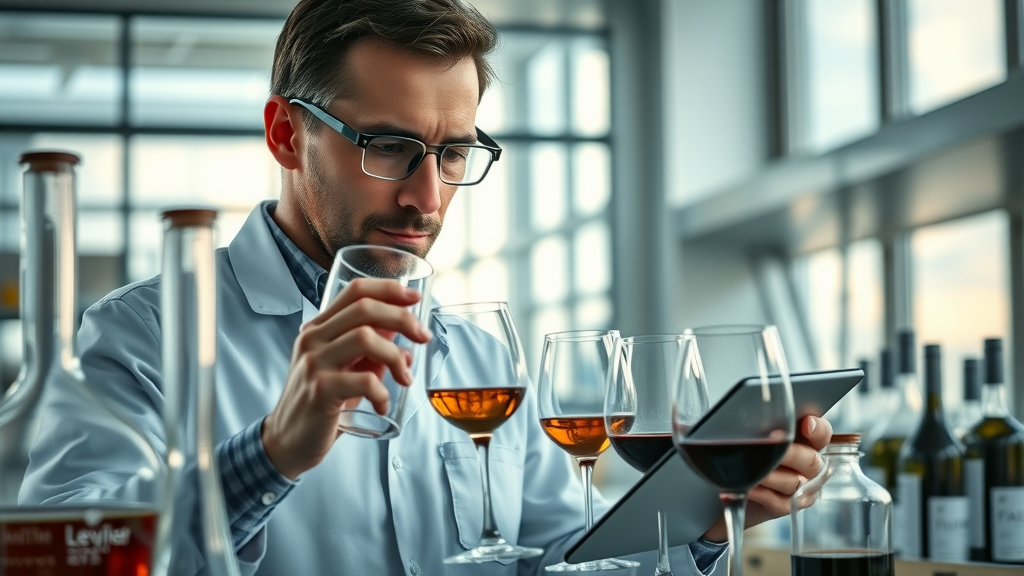
Overview: How Wine Is Made Step by Step
The transformation of grapes to fine wine is a carefully choreographed journey. To truly make wine that stands out, each stage must be executed with precision—starting with the harvest and finishing with a well-sealed, labeled bottle. Both red wine and white wine share common roots, but diverge in technique, skin contact, fermentation, and aging. Below, explore our side-by-side summary for producing red and white wine:
| Step | Red Wine | White Wine |
|---|---|---|
| Harvesting | Pick at optimal phenolic and sugar ripeness (often later than white) | Pick earlier to retain acidity and fresher fruit |
| Crushing & Pressing | Crushed with skins, seeds, and sometimes stems (destemmed or whole cluster) | Crushed, then immediately pressed to separate skins and seeds from juice |
| Fermentation | Primary fermentation with skins (color and tannin extraction) | Fermentation of clarified juice only (minimal skin contact) |
| Malolactic Fermentation | Standard for most red wines | Optional—for some chardonnays and specialty whites |
| Clarification | Racking, fining, filtering—removing dead yeast and solids | Same, plus additional filtering for brightness |
| Aging | Barrels (oak) or tanks—aging for texture, stability, and flavor | Usually stainless steel for fresh styles, some oak for complexity |
| Bottling | Final filtration and bottling with minimal oxygen exposure | Similar process, often with screw cap for freshness |
The Essential Components of the Wine Making Process
Every fine wine begins with exceptional wine grapes, precise management of sugar content, and the right techniques at every stage. Choosing grape varieties is fundamental—pinot noir, cabernet sauvignon, and chardonnay are only the start. Why focus on sugar? Because sugar levels at harvest determine the eventual alcohol level and balance between sweetness and acidity. Malolactic fermentation transforms harsher malic acid into softer lactic acid, rounding out flavors, especially in red wines and certain whites.
- Wine Grapes: The foundation of all red wine and white wine
- Sugar Content: Measured in °Brix; guides harvest timing and final profile
- Malolactic Fermentation: Converts malic acid to lactic acid post-primary fermentation
- Making Wine with Optimal Sugar Level: Ensures balance, fermentability, and target alcohol
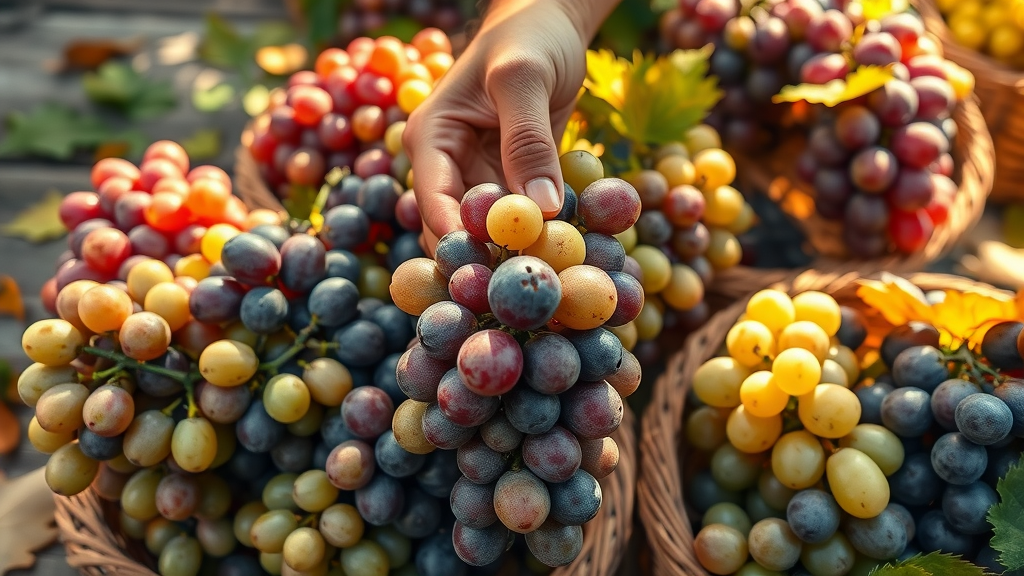
“Grape selection is where the magic truly begins. Picking only the healthiest, ripest clusters ensures a foundation for high-quality wine. You can’t make great wine from mediocre fruit.”
— Renowned Viticulturist Sarah Thomas
Step 1: Harvesting Wine Grapes for the Wine Making Process
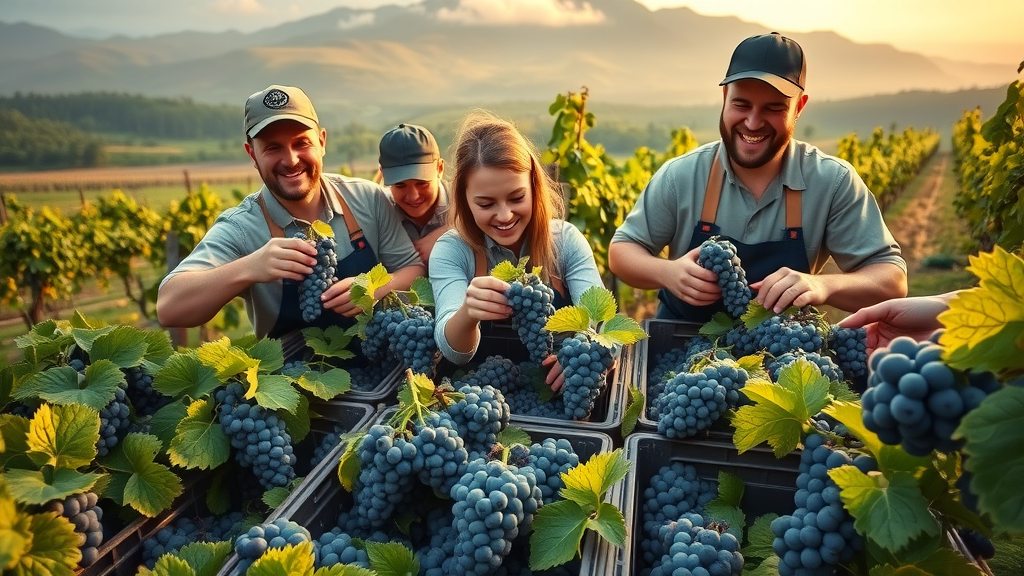
The wine making process starts with the harvest. Timing is everything—picking too early risks high acidity and low sugar, too late risks rot and high alcohol. For red wines, grapes are often left to hang longer for more developed phenolics and sugar. For white wines, earlier harvesting preserves fresh acidity and aromatic potential. The decision combines lab data (checking °Brix, pH, and total acidity) with vineyard intuition—berry taste, seed color, and even crunch.
Notably, technological innovations like the mechanical harvester have revolutionized wine grape collection, allowing efficiency on larger estates. However, hand picking remains the gold standard for select fine wine, minimizing bruising and delivering superior grape quality.
Timing and Choosing Wine Grapes: Differences Between Red Wine and White Wine
Red wine benefits from longer hang times, aiding tannin and color development, while white wine grapes are harvested at peak freshness for elevated aromatics. Winemakers continually monitor sugar content and taste berries daily as the harvest nears. Meanwhile, the use of wild yeast or cultivated strains can be affected by how cleanly grapes are picked and how much natural microbial life is carried into the winery.
- Color of grape skins and seeds
- Firmness and taste of berries
- Laboratory sugar readings (°Brix)
- Acidity and pH values
“Optimal grape maturity isn’t just about sugar—balance between sugar, acidity, and flavor compounds is key for remarkable wine.”
— Expert advice from leading Viticulturist, Michael Young
Step 2: Crushing and Pressing in the Wine Making Process
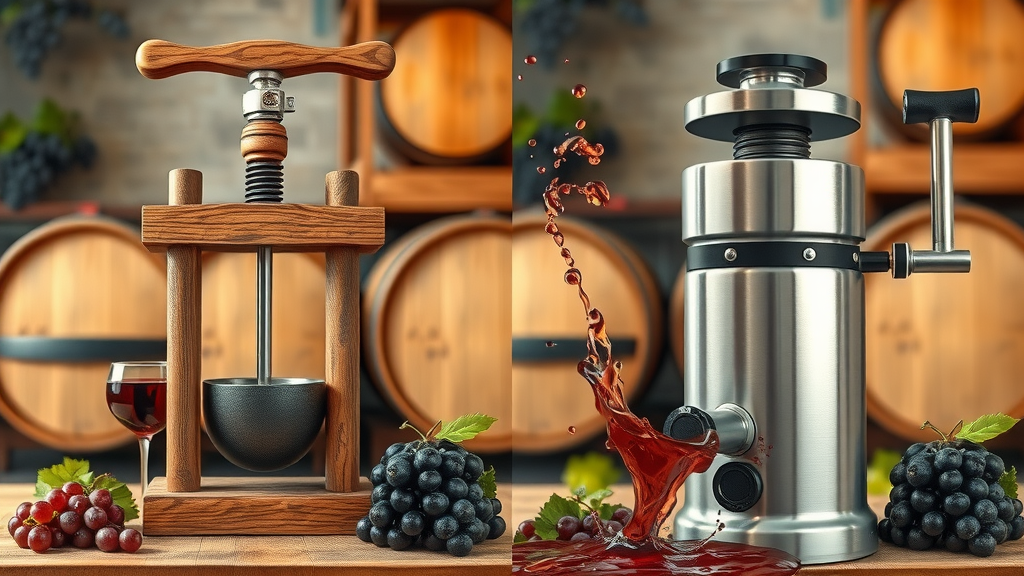
After harvesting, grapes are rapidly processed to extract juice and begin fermentation. In making red wine, crushing breaks skins to release color and tannins. White wine grapes, however, are pressed quickly to minimize skin contact and potential bitterness. Traditionally, foot treading or hand-operated wooden presses were common; today, modern stainless steel crushers and pneumatic presses dominate, offering speed and hygiene. The choice of equipment can impact flavor extraction, with old methods prized for their gentle touch and modern systems for their reliability and scalability.
Crushing and pressing set the stage for fermentation, and choosing between traditional and modern techniques lets winemakers align with the wine style they wish to create, be it a rustic, old-world red or a crisp, fruity white wine.
Traditional vs. Modern Techniques for Red Wine and White Wine
Traditional red wine production embraces prolonged skin contact, often using age-old basket presses, infusing structure and complexity. Meanwhile, white wine thrives with less contact—modern bladder or screw presses gently separate juice from solids, maintaining delicate aromas. Mechanical destemmers are now commonplace to reduce bitterness from stems in both red and white wines. Winery scale and philosophy often dictate whether a foot-stomped cabernet or a machine-crushed pinot noir is on your table.
- Wooden basket press (traditional)
- Modern stainless steel crusher-destemmer
- Pneumatic (bladder) press
- Sorting table for hand-selected grape quality
Step 3: Fermentation – The Heart of the Wine Making Process
Fermentation is where grape juice becomes wine. Wild or commercial yeast consumes the naturally present sugar content, converting it into alcohol and carbon dioxide. The process is energetic, with temperatures and sugar levels needing careful regulation. If uncontrolled, wild yeast or improper temperature can introduce faults or reduce quality. For red wine, fermentation occurs in contact with the skins, increasing extraction, while white wines are typically fermented off the skins in stainless steel to preserve brightness and fruitiness.
Fermentation lasts from a few days (for red wines) to several weeks (for some white wines). Close monitoring prevents stuck fermentations and off-flavors, and the timing of pressing off the skins determines color and tannin structure for red wines. By the time fermentation is complete, most of the initial sugar is gone, replaced by balanced alcohol and vivid flavor.
Alcohol Conversion: How Do Grapes Turn Into Alcohol in Wine Is Made?
Alcohol formation hinges on yeast’s voracious appetite for sugar. Once introduced (or present naturally as wild yeast), yeast cells consume grape sugar, producing alcohol and carbon dioxide. This conversion is exothermic—generating heat—so temperature must be watched closely. Insufficient temperature control can yield unwanted flavors or halt fermentation prematurely. In making wine, achieving the correct balance of alcohol level and preserving primary fruit flavors is a hallmark of skilled winemakers.
Understanding Sugar Level and Its Impact on Fermentation
Sugar content is measured before fermentation as °Brix. It predicts potential alcohol and guides timing: too high and the resulting wine is boozy or may stall out; too low and the body is thin. Winemakers track sugar daily—using refractometers or digital probes—making adjustments by blending, watering back, or chaptalization (adding sugar). Variations in sugar alter fermentation speed, resulting in subtle differences in flavor, mouthfeel, and aging potential.
“Constant vigilance during fermentation can’t be overstated—sugar levels, temperature, and yeast activity must be checked daily to guide the process and avoid unwanted surprises.”
— Winemaker, Jamie Liu
Step 4: Malolactic Fermentation in the Wine Making Process
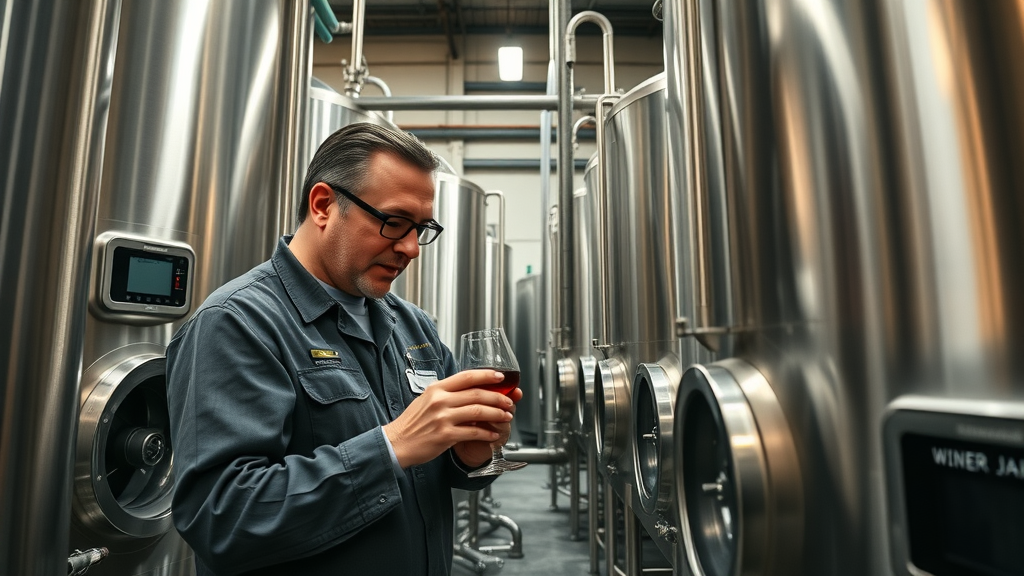
This secondary fermentation is vital for red wine and select white wine styles. Malolactic fermentation—facilitated by specific bacteria—converts sharp malic acid into softer lactic acid. This process not only lowers acidity but also introduces creamy, rounded flavors. While all red wines undergo this process, it's optional for white wines, used most often for complex chardonnays.
Malolactic ferment assists in stabilizing the finished wine, preventing unwanted alterations once bottled. It also produces byproducts that enhance texture, smoothness, and aging ability. Timing and temperature are crucial—too warm and the ferment races ahead, too cold and bacteria stall. Winemakers carefully select which tanks or barrels undergo this transformation, guided by style and customer expectation.
What Is Malolactic Fermentation and Why Does it Matter for Red Wines and Some White Wines?
Malolactic fermentation is essential for most red wines, imparting softness and roundness, and for creamy, buttery whites like chardonnay, adding desired complexity. By reducing malic acid, it prevents "sour apple" flavors, creating a fine wine that's smooth and palatable. Not all grapes or wines need this step—fresh, crisp white wines may skip it to retain zing. Winemakers monitor visual and chemical cues, such as lactic acid presence, before proceeding to clarification.
- Cabernet sauvignon
- Pinot noir
- Chardonnay (by stylistic choice)
- Syrah and merlot
Step 5: Clarification and Stabilization of Wine
Clarifying and stabilizing wine ensure transparency, flavor, and shelf life. Residues from fermentation—dead yeast cells, grape skins, and seeds—cloud the wine unless removed. Techniques like racking (transferring wine off solids), fining (using agents like egg whites or bentonite), and filtration (mechanical or pad filters) transform young, hazy wine into a bright, clear product worthy of the bottle. For commercial scale, filtering is essential to minimize risk of spoilage or unwanted sediment appearing after bottling.
Stabilization suppresses at-risk elements, like excess protein and tartrate crystals, securing clarity during storage and transit. While some artisanal wines may remain unfiltered for richer mouthfeel, large-volume producers require absolute consistency for consumer trust and legal compliance. Each method, from racking to flash-pasteurization, is chosen for its impact on the wine’s final character.
Methods of Clarifying Red Wine and White Wine
Red wine can benefit from natural gravity settling or racking, complemented by egg white fining to soften tannins. White wines, often more susceptible to haze, nearly always undergo filtration and sometimes protein stabilization with bentonite clay. The use of egg whites is especially traditional in Bordeaux, while modern methods may include cross-flow or membrane filtration for crystal-clear transparency. Each method balances stability with preservation of delicate aromas and flavors.
Step 6: Aging and Storage in The Wine Making Process
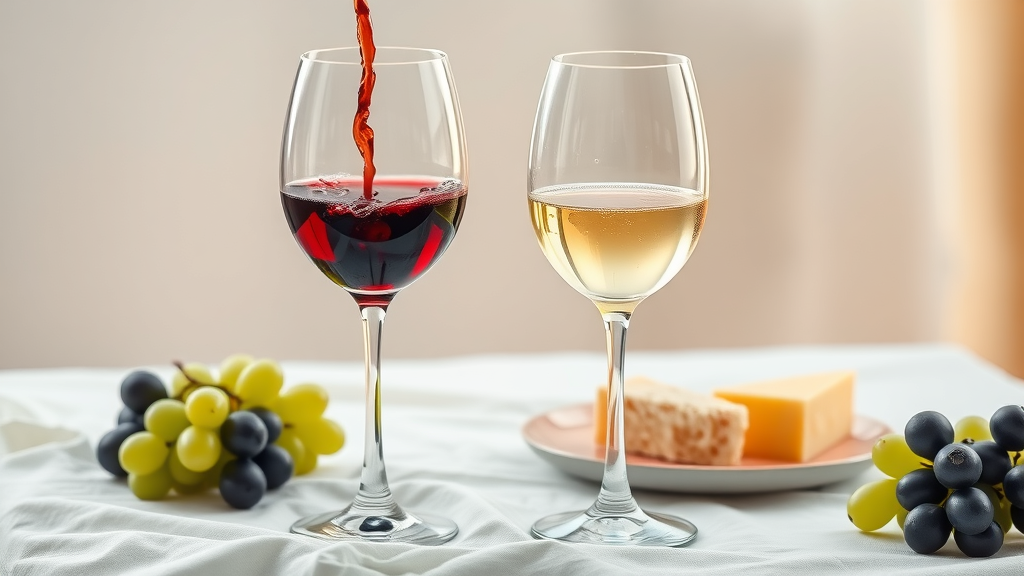
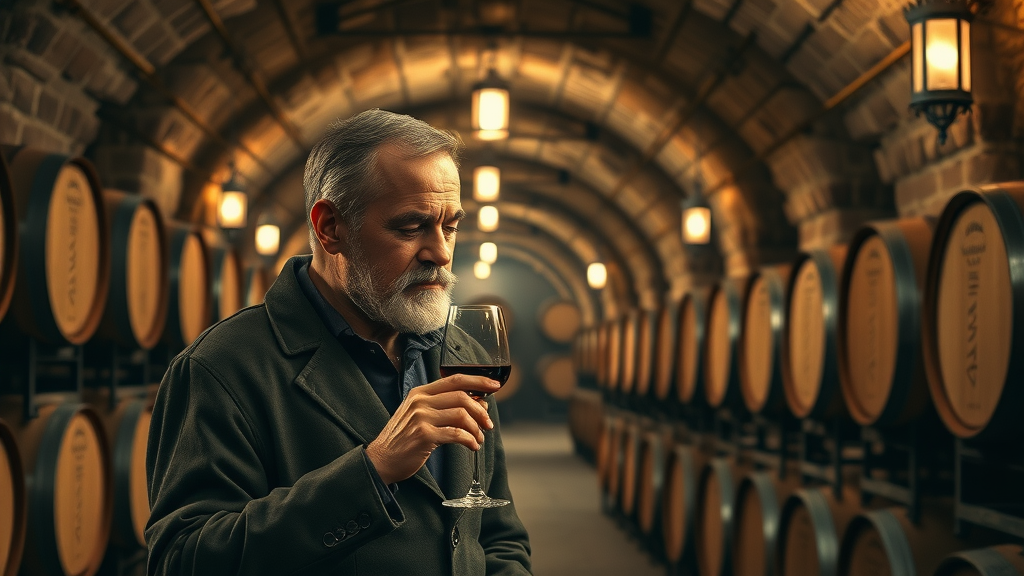
Fine wine matures through careful aging in barrels or tanks. For red wines, oak barrels introduce subtle flavors—vanilla, toast, spice—and increase mouthfeel complexity. White wines, particularly those meant for freshness, often age in stainless steel tanks to retain zest and primary fruit aromas. Factors like wood type (French vs. American), barrel toast, and age influence the eventual flavor profile dramatically. Storage conditions—controlled temperature, humidity, and shielding from light and vibration—are paramount to prevent faults and premature aging.
Producers may blend different barrels to achieve balance before bottling. The duration of aging can range from a few months for white wines to several years for voluptuous reds. Maintenance involves topping up barrels to avoid oxidation and regular tasting to assess maturation. The outcome: stable wine with improved harmony, depth, and longevity.
How Barrel Choices Affect Red Wine Flavor and Quality
The decision to use new or old barrels, as well as American or French oak, defines the future profile of a red wine. New oak imparts more robust, spicy notes and greater tannic structure; older barrels soften the wine and let fruit dominate. Winemakers must strike a balance—too much oak can overpower; too little, and wine may lack dimension. White wines given brief time in neutral barrels gain roundness without excess wood influence, while aging in stainless steel preserves clean acidity.
“Aging is about patience, vigilance, and trust in your cellars. The slow transformation in barrel brings harmony and polish to red wine; controlling humidity and temperature is as crucial as the choice of oak.”
— Cellarmaster, Laura Escobar
Step 7: Bottling and Labeling – Finishing the Wine Making Process
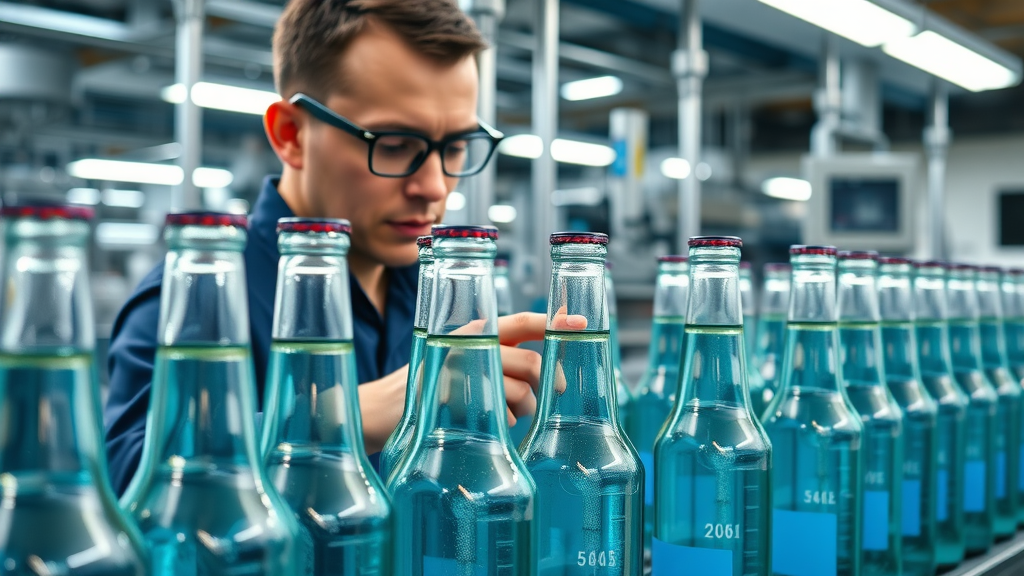
The final act of the wine making process is critical—ineptitude here could undo months or years of careful work. Wine is stabilized, then transferred under clean, anaerobic conditions to prevent oxygen pickup (the enemy of delicate flavors). Bottling lines are sanitized, and fill levels are checked to prevent spoilage. For sparkling wine and certain whites, a small sulfur dioxide dose may be added for microbial protection. Once filled, bottles are swiftly corked or capped, then labeled for identity and traceability.
Even large producers observe strict quality control to safeguard reputation. Modern bottling lines can process thousands of bottles per hour, but each goes through vision systems and manual checks to ensure perfection. Labeling isn’t just branding—it’s regulatory, historical, and often a point of pride marking the journey from grape to final glass.
Best Practices for Maintaining Quality During Bottling
Key practices include reducing oxygen exposure, maintaining sanitized equipment, random sampling for leakage, and correct application of closure (cork, screw cap, or synthetic). Additional measures for wine stability can include sterile filtration and nitrogen sparging to displace oxygen. Labelling involves matching to legal standards and batch tracking, vital for any fine wine producer facing a potential recall or quality issue.
People Also Ask: What are the 7 steps of the wine making process?
Answer: The wine making process involves harvesting, crushing and destemming, fermentation, malolactic fermentation, clarification, aging, and bottling.
People Also Ask: What are the 5 basics of wine?
Answer: Wine basics include grape variety, fermentation, sugar content, tannin structure, and acidity.
People Also Ask: How was wine made in biblical times?
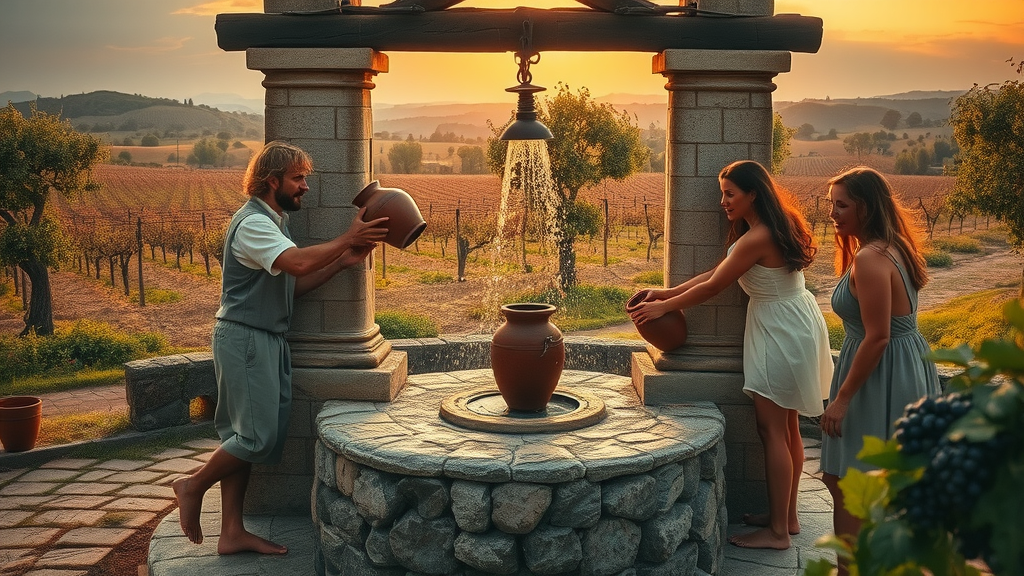
Answer: Wine was made by crushing grapes with feet or presses, natural fermentation, and basic storage in earthenware vessels.
People Also Ask: How do grapes turn into alcohol?
Answer: Grapes turn into alcohol through fermentation, as yeast consumes sugar and produces alcohol and carbon dioxide.
Common Mistakes in the Wine Making Process – and How to Avoid Them
- Under- or overripe grapes: Always test sugar level and acidity before harvesting
- Poor sanitation: Clean equipment meticulously to avoid wild yeast dominance or unwanted bacteria
- Temperature fluctuations: Control at all stages, especially fermentation and storage, to prevent spoilage
- Incomplete malolactic fermentation: Test for malic acid before bottling to avoid unwanted fizz or instability
- Ineffective clarification: Choose appropriate fining and filtration methods for clear, stable wine
Insurance Tips for the Wine Industry: Protecting Your Wine Making Process
- Equipment Coverage: Insure machinery like crushers, presses, and bottling lines against malfunction or theft
- Crop Loss: Secure coverage for vineyard losses due to hail, frost, fire, or infestation
- Product Liability: Safeguard against claims from contamination or labeling errors
- Business Interruption: Prevent financial hardship in case of prolonged operational halts
- Transit Insurance: Cover wine in storage or delivery to prevent loss en route
“With unpredictable weather and the high cost of equipment and product, no winery should operate without robust insurance. One uninsured incident can jeopardize a year’s hard work.”
— Insurance Specialist, R. Hayworth
FAQs: The Wine Making Process
- Can you make wine at home? Yes, home winemaking is legal in most countries, provided it’s for personal consumption. Kits make it accessible for beginners, while advanced hobbyists can scale up with commercial-grade equipment.
- How long does the wine making process take? From harvest to bottle, the process for white wines can be as short as 3 months, while red wines, especially aged in barrels, may need 1–3 years for best results.
- What determines the sugar content in wine? Grape ripeness at harvest, grape variety, and region-specific climate all influence final sugar content and resulting alcohol level in wine.
Step-by-step video demonstration of the wine making process: from vineyard to bottle, narrated by a professional winemaker. Includes scenes of grape picking, crushing, fermentation, aging, and bottling, with infographic overlays.
Key Takeaways from Mastering the Wine Making Process
- Follow each stage—from grape selection and fermentation, to clarification, aging, and bottling—with meticulous care
- Track sugar level, fermentation progress, and temperature to avoid common pitfalls
- Consider malolactic fermentation for stylistic complexity in red wines and certain whites
- Utilize insurance policies to protect against unforeseen events in your wine production
- Stay adaptable: embrace both traditional and modern techniques in response to your vineyard, equipment, and market needs
Conclusion: Elevate Your Craft with a Consistent Wine Making Process
Consistency, attention to detail, and risk management are the hallmarks of exceptional wine. Take your craft to the next level by mastering the wine making process.
Ready for Your Next Vintage?
Reply "send draft copy of article for review" for further insights or tailored advice.
To deepen your understanding of the wine making process, consider exploring the following resources:
-
“How Wine Is Made – The Basics of Winemaking”: This article provides a comprehensive overview of each stage in wine production, from grape selection to bottling, offering insights into both traditional and modern techniques. (winelovermagazine.com)
-
“Winemaking 101: How Basic Wine is Made”: This resource breaks down the fundamental steps of winemaking, including fermentation, aging, and bottling, making it accessible for beginners and enthusiasts alike. (winefrog.com)
These articles will provide you with a solid foundation and practical tips to enhance your winemaking journey.


Write A Comment