


Did you know that more than 80% of global vineyards are now pursuing sustainable viticulture to combat climate change and protect the wine industry’s future? As the world faces unprecedented environmental, social, and economic challenges, sustainable practices in wine production offer a beacon of hope for grape and wine producers. This article delves into the breakthrough benefits of sustainable viticulture, revealing why it has become a cornerstone for vineyards and sustainable wineries across the globe.
A Surprising Truth: The Urgent Shift to Sustainable Viticulture
The wine industry is experiencing a remarkable transformation as more vineyards and wineries embrace sustainable viticulture—not only as a means to reduce their carbon footprint but also as a strategic imperative for long-term economic viability and environmental stewardship. Wineries that once relied solely on traditional practices are now integrating sustainable winegrowing methods, which include conserving water, implementing eco-friendly pest management, and enhancing soil health through cover crops and crop rotation. These shifts are a direct response to the urgent threats posed by climate change and soil degradation, making sustainable development a top priority.
This rapid evolution signals a new era for grape and wine producers. Sustainable viticulture is no longer a niche or marketing claim; it is an essential framework that safeguards future generations, local ecosystems, and the authenticity of wines. From improving grape quality and water quality to supporting social equity for workers, embracing sustainable practices is setting the standard for successful operations in the wine industry. As more producers adopt sustainable models, the entire sector benefits—from more resilient vineyards to enhanced opportunities for economic growth and innovation.
“Over 80% of global vineyards are exploring sustainable viticulture practices to adapt to climate change.”—Global Wine Sustainability Report
What You'll Learn About Sustainable Viticulture
- How sustainable viticulture differs from conventional methods
- Key principles of sustainable winegrowing
- Benefits for the environment, economy, and communities
- Implementation tips for vineyards and wineries
- Insurance implications for the wine industry
Defining Sustainable Viticulture and Its Role in the Wine Industry
What is Sustainable Viticulture?
At its core, sustainable viticulture refers to a comprehensive approach to managing vineyards that balances environmental health, economic viability, and social responsibility. Unlike conventional vine growing, which can depend heavily on chemical inputs and resource-intensive methods, sustainable winegrowing prioritizes practices that promote biodiversity, maintain soil fertility, and minimize chemical reliance. Cover crops—plants sown between rows of vines—naturally manage weeds and enrich the soil, providing habitat for beneficial insects and reducing the need for synthetic fertilizers and pesticides.
Sustainable viticulture also involves integrated pest management and careful water management strategies that protect both crops and the surrounding local ecosystem. As a result, grape and wine producers adopting these practices witness not only healthier vines and improved grape quality but also decreased environmental impact, heightened consumer trust, and more resilient operations—key advantages in a rapidly changing climate. This holistic framework underpins the future of the wine industry, supporting both the land and the people working it.
The Evolution of Sustainable Wine Production
The journey toward sustainable wine production mirrors larger movements within agriculture and food industries. Early efforts focused simply on reducing chemical use or transitioning to organic methods. However, as climate change intensified and consumer awareness grew, the wine industry recognized the need for a broader, more nuanced adoption of sustainable practices. Today, sustainability in wine is measured by a range of criteria, from the efficient use of natural resources and reduced carbon emissions, to enhanced working conditions and community support.
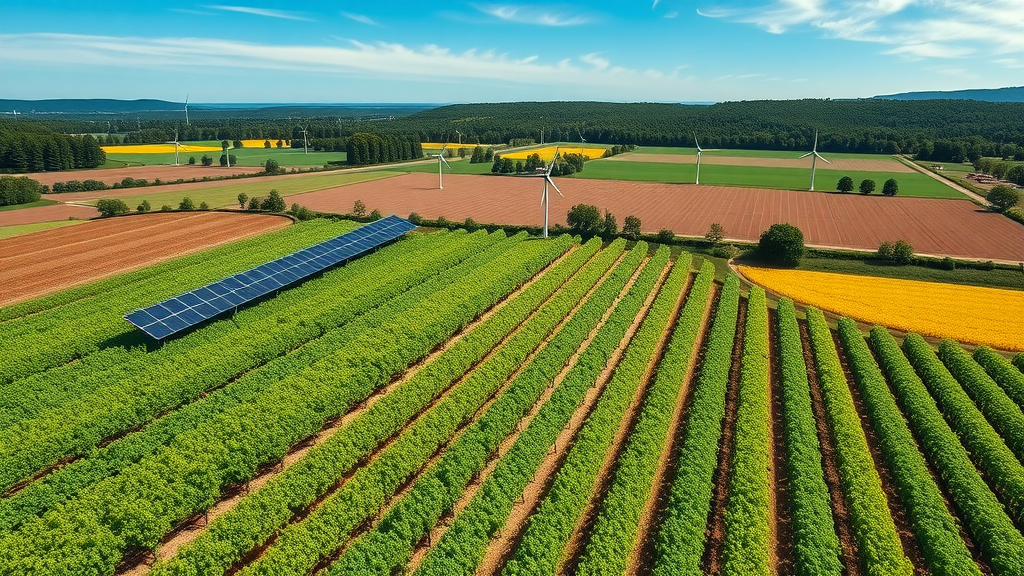
This evolution has led to the rise of sustainable wine certifications, innovative vineyard technologies, and eco-friendly wine production techniques. Notably, sustainable wineries now invest in renewable energy, soil conservation, and transparent supply chains, creating positive ripple effects across the industry. The result: a global movement in which sustainability is a shared responsibility, essential to producing both premium wines and a legacy of stewardship that can be passed to future generations.
Sustainable Wine, Sustainable Winegrowing, and Sustainable Wineries: Understanding the Distinctions
While the terms sustainable wine, sustainable winegrowing, and sustainable wineries are often used interchangeably, they actually refer to different aspects of the wine value chain. Sustainable winegrowing focuses specifically on the grape-growing process, ensuring that vines are cultivated with minimal negative environmental impact through conservation of water, soil health practices, and the promotion of biodiversity.
On the other hand, sustainable wineries extends the ethos of sustainability to the facilities themselves—including energy management, waste reduction, and ethical labor practices throughout wine production. Finally, sustainable wine reflects the culmination of these efforts, offering consumers a beverage produced with integrity, environmental stewardship, and social responsibility. Understanding these distinctions helps both producers and consumers make informed choices that support sustainability across every level of the wine industry.
Core Principles of Sustainable Viticulture Practices
The Pillars: Environmental, Economic, and Social Responsibility
Sustainable viticulture stands on three pillars: environmental stewardship, economic viability, and social equity. First, environmental responsibility includes practices such as planting cover crops for soil health, conserving water, implementing pest control and integrated pest management, and reducing the carbon footprint of vineyard operations. By prioritizing soil fertility and reducing chemical inputs, vineyards cultivate resilient grapevines and a thriving local ecosystem.
Economic viability ensures that wine producers can thrive over the long term, balancing production costs with profitability and preparing for the uncertainty of climate change. Social responsibility is equally vital—it emphasizes fair wages, safe working conditions, and community engagement. Altogether, these principles guide sustainable wineries and set the framework for a wine industry where quality, tradition, and sustainability work hand in hand.
Implementing Principles of Sustainable Winegrowing: Case Studies
Success stories in sustainable winegrowing offer powerful proof that sustainability delivers real-world benefits. For example, California’s Jackson Family Wines significantly decreased water usage and enhanced grape quality by adopting precise irrigation, recycling winery water, and investing in renewable energy. In New Zealand, Yealands Estate converted vast parts of its property into wildlife habitats and used sheep for vineyard weed control, further reducing chemical use.
These case studies demonstrate that sustainable practices such as composting, cover cropping, and planting native vegetation help vineyards not only conserve natural resources but also produce high-quality, eco-friendly wines that win over both consumers and wine critics during wine tasting events. By making sustainability an integral part of their operations, wineries future-proof their businesses and contribute to broader sustainable development within the wine industry.
Sustainable Winery Operations: Economic Viability and Working Conditions
Ensuring Economic Viability for Vineyards and Wine Producers
The shift to sustainable viticulture isn’t just environmentally wise—it is economically strategic. By optimizing resource use and reducing waste, sustainable wineries can significantly cut energy and input costs. This, in turn, supports economic viability and helps vineyards weather fluctuations in market demand or climate unpredictability. Thoughtful adoption of sustainable practices—such as efficient water usage, renewable energy adoption, or waste reduction—not only supports profitability but also often qualifies producers for sustainability incentives and grants.
In addition, the global movement toward sustainably produced wine is opening new markets, as eco-conscious consumers and retailers increasingly prefer wines with certified credentials. By cultivating a reputation for social and environmental responsibility, vineyards can increase brand loyalty and justify premium pricing for their wines—benefiting both the bottom line and the reputation of the wine industry as a whole.
Enhancing Working Conditions and Community Engagement in Sustainable Viticulture
At the heart of sustainable viticulture lies a deep commitment to people—those who tend the vines and sustain the communities where vineyards thrive. Leading sustainable wineries establish robust workplace safety programs, fair wage policies, and opportunities for employee development. They also invest in social equity initiatives that have far-reaching effects, such as supporting local schools, healthcare access, and collaborative community projects.
By elevating working conditions and fostering meaningful community engagement, sustainable winegrowing strengthens the entire value chain. Wineries that focus on these areas often find that employee satisfaction, productivity, and retention all improve, laying the groundwork for a vibrant and supportive culture that benefits wine production and rural communities. Ultimately, sustainable viticulture is about more than environmental protection—it's about sustaining people and place for future generations.
"Sustainable viticulture is not just about the environment—it’s about supporting future generations of winegrowers."—Leading Vineyard Manager
Sustainable Development: Environmental Impact of Sustainable Viticulture
Water Management, Soil Health, and Biodiversity in Sustainable Winegrowing
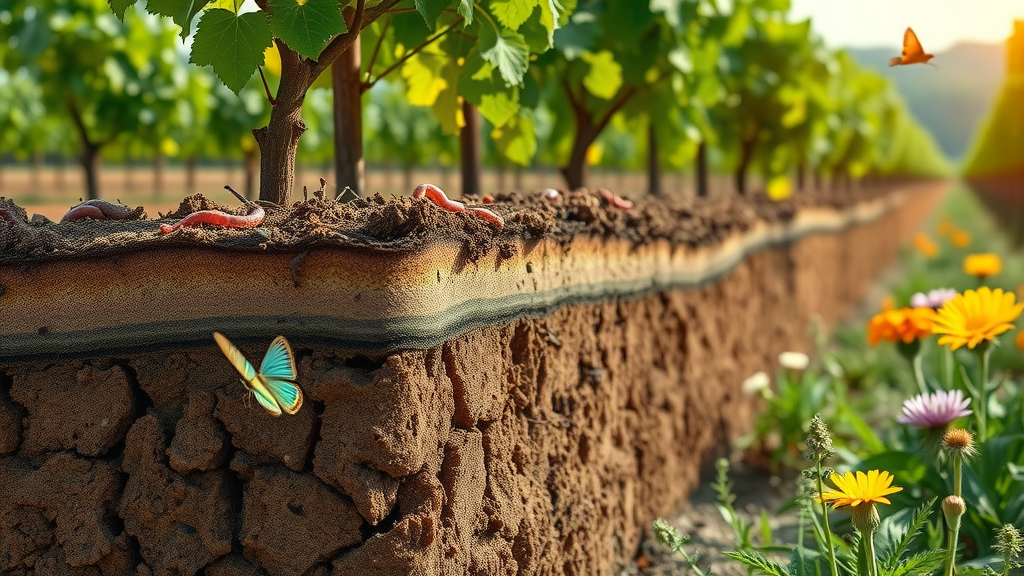
True to its principles, sustainable viticulture makes significant contributions to environmental stewardship. Effective water management is a hallmark—vineyards are using advanced irrigation technology and mulching to conserve water without sacrificing grape quality. Cover crops and organic soil amendments enrich vineyard soils, increase water retention, and help prevent erosion.
Promoting biodiversity is equally integral. By cultivating native plants around and within vineyards, wineries create habitats for beneficial insects and birds, naturally supporting pest control and reducing dependence on chemicals. This careful stewardship of the land not only improves water quality but also fosters vibrant local ecosystems, allowing sustainable wineries to thrive within a framework of harmony, balance, and natural abundance—a win for both wine production and the broader principles of sustainable development.
Waste Management and Eco-Friendly Wine Production
One of the most overlooked yet impactful aspects of sustainable viticulture is responsible waste management. Leading sustainable wineries embrace circular economy practices—composting grape pomace, recycling water, and minimizing single-use plastics. By converting organic waste into valuable vineyard compost, wineries improve soil health and decrease landfill contributions.
Additionally, eco-friendly wine production extends to packaging innovation, such as using lightweight bottles and recyclable materials, and incorporating renewable energy sources to reduce the overall carbon footprint. Each step in this sustainable practice enhances environmental impact, positions the brand as a responsible producer, and strengthens consumer trust in both the winemaking process and the end product.
Sustainable Certifications and Leading Sustainable Wineries
Certification Programs: Examples and Benefits for the Wine Industry
Certification programs play a vital role in defining, measuring, and rewarding sustainable winegrowing and winery operations. High-profile examples include the Certified California Sustainable Winegrowing program, Environmental Management Systems (EMS) in Europe, and the Sustainable Winegrowing New Zealand (SWNZ) initiative. These programs typically evaluate everything from energy use and pest management to social equity and working conditions.
Achieving certification benefits wineries in multiple ways: it enhances credibility, opens doors to eco-conscious markets, and drives continual improvement through transparent reporting standards. Certified sustainable wineries set inspiring benchmarks for the entire wine industry, helping both seasoned producers and new entrants navigate the complexities of sustainable development and build resilience for the future of wine production.
List: Most Sustainable Wineries in the World
- Château Maris (France)
- Jackson Family Wines (USA)
- Emiliana Organic Vineyards (Chile)
- The Brundlmayer Estate (Austria)
- Yealands Estate (New Zealand)
The Role of Technology in Advancing Sustainable Viticulture
Innovative Tools and Sustainable Winegrowing Solutions
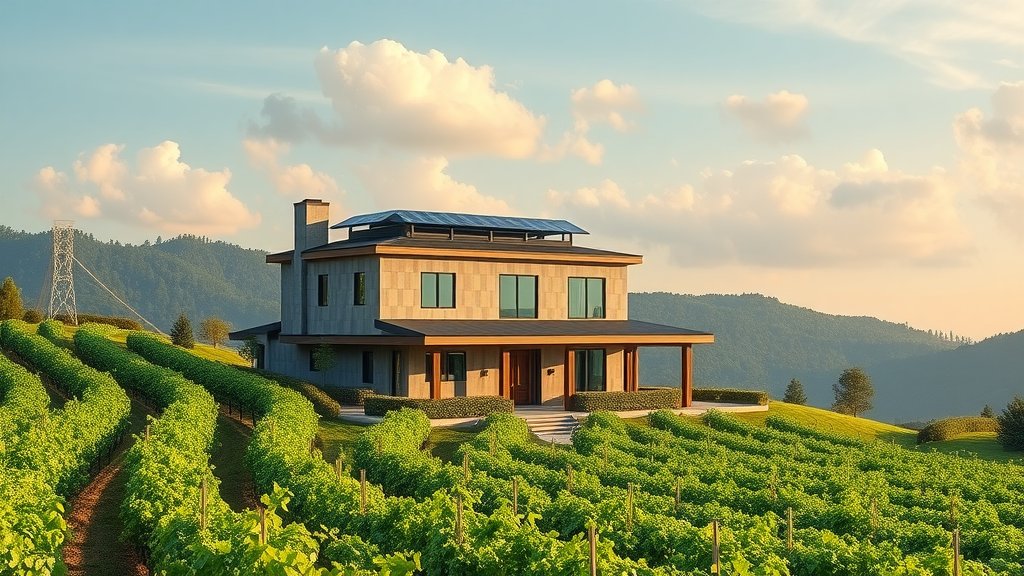
Cutting-edge technology is revolutionizing sustainable viticulture, equipping vineyards with actionable data and automation tools for resource optimization. Advanced soil sensors, drone-based imagery, and AI-driven irrigation systems allow winemakers to monitor vine health, soil moisture, and pest pressures in real time. These technologies ensure precise water and nutrient delivery, saving resources and reducing waste.
Furthermore, cloud-based platforms integrate data across operations, from vineyard management to bottling processes, streamlining decision-making and tracking sustainable practice adherence. By facilitating the adoption of next-generation sustainable winegrowing methods, technology empowers both established and emerging wineries to drive sustainable development and maintain the economic viability crucial to long-term success in the wine industry.
| Aspect | Conventional Viticulture | Sustainable Viticulture |
|---|---|---|
| Water Use | Often excessive, less efficient | Precise, conserves water using tech and soil management |
| Pest Control | Chemical reliance | Integrated pest management, natural methods |
| Soil Management | Minimum cover cropping, chemical fertilizers | Cover crops, organic amendments |
| Energy Use | Traditional/sometimes fossil fuel-dependent | Renewable options, energy efficiency prioritized |
| Waste Management | Limited recycling, landfill reliance | Composting, recycling, circular economy focus |
| Social Responsibility | Variable, less focus | Worker welfare, community engagement prioritized |
Insurance Tips for Sustainable Vineyards and Winegrowing
Eco-Risk Coverage and Sustainability Incentives in Wine Production
As sustainable practices become the industry norm, wine producers must reevaluate their insurance strategies. Specialized eco-risk coverage can protect against environmental liabilities associated with pest management, water use, and facility upgrades. Many insurance providers increasingly reward sustainable wineries with lower premiums and incentives for adopting verified sustainable practice, including renewable energy installation, soil conservation, and advanced pest control systems.
Collaboration with insurers also helps wineries assess emerging climate risks, design for disaster resilience, and maintain compliance with sustainability certifications. Producers who proactively align their operations and insurance strategies stand to benefit from both risk mitigation and preferential treatment in increasingly competitive markets.
List: Top Insurance Considerations for Wineries Transitioning to Sustainable Viticulture
- Crop insurance for sustainable grape and wine production
- Coverage for eco-friendly facility upgrades
- Risk assessment for climate impacts
- Employee safety and working condition policies
Key Takeaways: Why Sustainable Viticulture Is the Future of the Wine Industry
- Drives resilience against climate change
- Supports economic viability for generations
- Improves wine quality and brand reputation
- Helps protect the environment for local communities
A narrated field tour showcasing real-world sustainable viticulture practices, featuring drone shots of vineyard operations, expert explanations, and examples of eco-friendly techniques.
People Also Ask: Sustainable Viticulture
What is the difference between sustainable and organic viticulture?
Answer:
Organic viticulture is a farming system that avoids all synthetic pesticides, herbicides, and fertilizers, relying solely on natural substances for vineyard management. In contrast, sustainable viticulture is a broader approach that incorporates some elements from organic farming but also includes integrated pest management, responsible use of chemicals when absolutely necessary, and additional focus on economic viability and social responsibility. Sustainable winegrowing aims to balance environmental impact with the needs of the business and community, making it a more flexible, holistic framework designed to future-proof the wine industry.
What is the most sustainable winery in the world?
Answer:
While there are many leaders in this field, Yealands Estate in New Zealand often earns distinction as one of the most sustainable wineries thanks to its comprehensive sustainability initiatives—including renewable energy, native habitat restoration, and a zero-waste policy. Other highly recognized sustainable wineries include Château Maris (France), Emiliana Organic Vineyards (Chile), and Jackson Family Wines (USA), all of which set global benchmarks for environmental and social responsibility within the wine industry.
How are vineyards sustainable?
Answer:
Vineyards become sustainable by adopting eco-friendly practices like using cover crops for soil enrichment, implementing efficient water management systems, reducing or replacing harmful chemicals with natural pest control, supporting biodiversity, embracing renewable energy, and promoting fair working conditions. These actions help conserve water, preserve natural resources, and protect the local ecosystem while ensuring long-term economic viability and minimizing environmental impact.
What is sustainable viticulture in champagne?
Answer:
Sustainable viticulture in Champagne involves a set of practices specific to the region’s climate and traditions that reduce environmental impacts, protect water and soil quality, and enhance biodiversity—while maintaining the unique quality standards required for Champagne production. Many Champagne houses now participate in region-specific sustainability certifications, utilize cover cropping, and optimize energy and water use, making Champagne a leader in the global movement toward sustainable winegrowing.
This video explores innovative digital and field tools—like drones, AI-based irrigation, and soil sensors—that are transforming sustainable winegrowing and strengthening the resilience and quality of grape and wine production worldwide.
FAQs: Sustainable Viticulture and the Wine Industry
-
Can sustainable viticulture improve wine quality?
Yes, by nurturing healthy soils, promoting biodiversity, and optimizing vineyard management, sustainable viticulture directly enhances grape quality—resulting in wines that express greater purity, balance, and character. -
What are the main challenges of sustainable transition for wineries?
The biggest challenges include initial investment costs, adapting existing infrastructure, obtaining certifications, and educating both staff and consumers about new practices and their long-term benefits. -
Are consumers willing to pay more for sustainable wine?
Research indicates that a growing number of consumers are prepared to pay a premium for sustainably produced wines, especially when the benefits are clearly communicated and reflected in the brand’s values and operations.
Conclusion: Supporting the Future of Sustainable Viticulture
By prioritizing sustainable viticulture, the wine industry invests in the resilience of its vineyards, the well-being of communities, and the preservation of our planet for generations of grape and wine lovers to come.
Next Steps: Interested in Sustainable Viticulture?
Ready to explore sustainable winegrowing for your vineyard or learn more about eco-friendly wine choices? Reply "send draft copy of article for review" and take your first step toward supporting a more sustainable wine industry!
Sustainable viticulture is revolutionizing the wine industry by integrating eco-friendly practices that enhance both environmental health and wine quality. For a comprehensive overview of these practices, the article “Sustainable Viticulture: 7 Eco-Friendly Practices” outlines key strategies such as soil health management, water conservation, and integrated pest management. (farmonaut.com) Additionally, “Sustainable Viticulture: The Art of Responsible Winemaking” delves into energy conservation methods, including the adoption of renewable energy sources like solar and wind power, and the reduction of chemical usage through organic alternatives. (chiefwineofficer.com) If you’re committed to advancing sustainable practices in viticulture, these resources provide valuable insights into creating a more resilient and eco-conscious wine production process.


Write A Comment